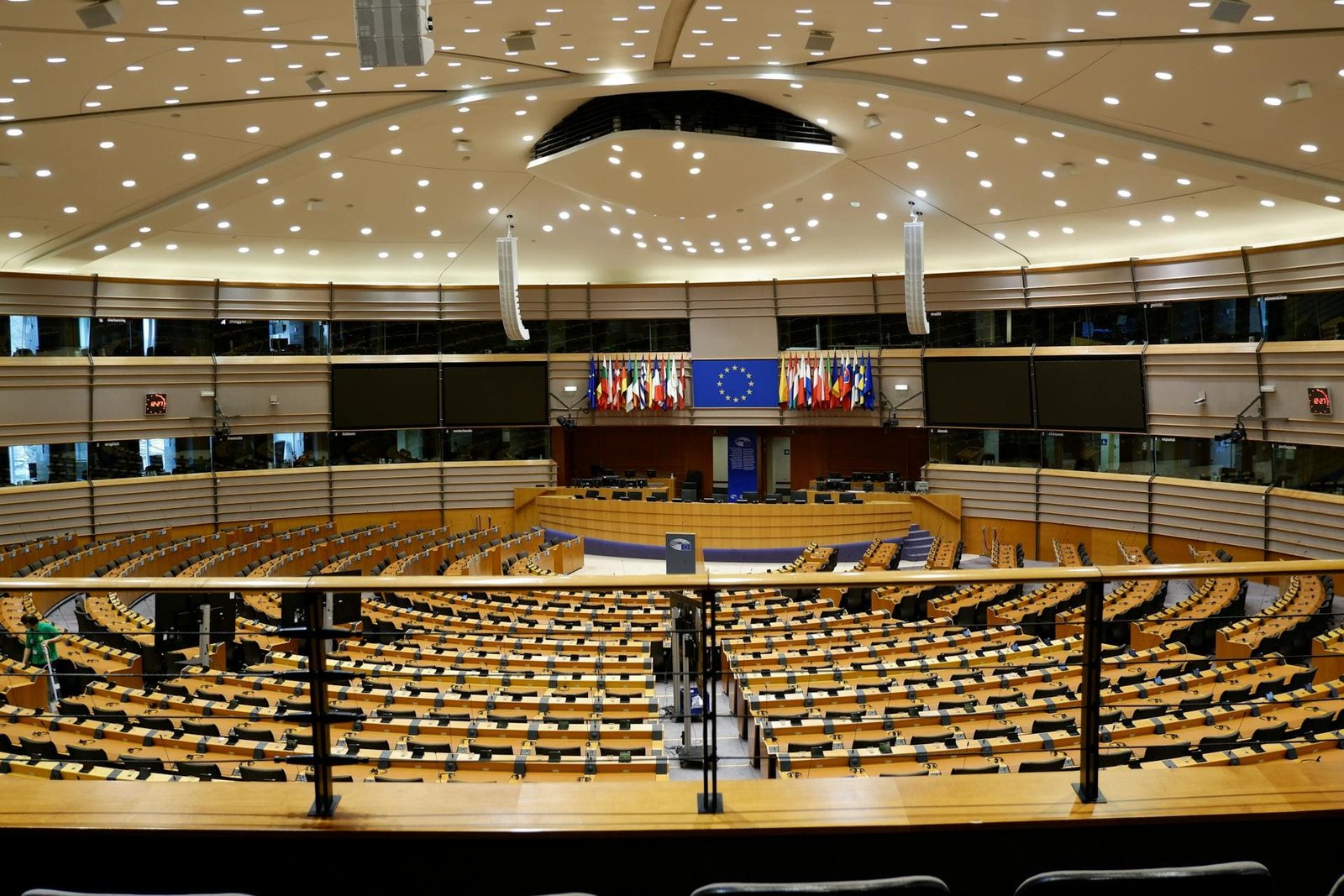
The European Parliament adopted a position approving a provisional agreement with EU governments on air passenger rights. The agreement sets rules for refunds when the ticket is booked through an intermediary (online agency, platform): refunds through the intermediary become free of charge and must be made within specific deadlines. This text is the Parliament's final position; member states must still formally approve it before it becomes law.
Many passengers book their tickets through intermediaries rather than directly with the airline. In the event of cancellation, refunds can be blocked or charged for. The text amends the existing regulation on air passenger rights to clarify who refunds, within what deadline and at what cost, and to strengthen the national bodies responsible for enforcing these rights.
Free refund through the intermediaryWhen a refund is processed by the intermediary, it is free of charge for the passenger. The intermediary must inform the passenger, before booking, whether the airline agrees to refund through it and under what procedure.
Two-stage refund deadlinesIf the airline refunds through the intermediary, it must pay the money to the intermediary within 7 calendar days, and the intermediary must then refund the passenger within the following 7 calendar days. If the airline has not received confirmation of payment by the intermediary within 14 days, it contacts the passenger and refunds them within 7 days of receiving the necessary information.
Exception for micro-enterprisesAn intermediary that is an autonomous micro-enterprise may decide not to refund a specified amount of its intermediation fees, provided it has clearly informed the passenger at the start of the booking.
Data transmitted to the airlineThe intermediary must provide the airline with the passenger's contact details and the booking details. The airline may use this data only to perform the transport contract, comply with air safety and security obligations, and inform passengers.
Better regulated complaints and remediesEach member state must designate a body responsible for passenger complaints. A passenger may refer the matter to this body after a first complaint to the airline or intermediary, no later than 3 months after a rejection or after 2 months without a reply. The body acknowledges receipt within 14 calendar days. The Commission must adopt a common form for compensation and refund claims.
Parliament adopted the text by 652 votes for, 2 against and 8 abstentions.
For passengers who book through an intermediary, refunds become more predictable: free of charge, with binding deadlines (7 days then 7 days) and an obligation for the airline to contact the passenger if the money does not move within 14 days. Passengers also have a clear remedy before a national complaints body, with precise deadlines for submitting their request. Airlines and intermediaries will have to adapt their procedures and information systems.
Booking a flight through an online agency or a platform must no longer turn a refund into an obstacle course. The European Parliament has approved a provisional agreement with the member states that imposes binding deadlines and makes refunds through the intermediary free of charge. The text adopted by 652 votes to 2 with 8 abstentions is a first-reading position: governments must still formally approve it before it becomes law.
The countdown starts when the passenger chooses a refund. The airline has seven calendar days to pay the money to the intermediary. The intermediary then has seven calendar days to refund the passenger, using the same payment method as at the time of booking. If the money does not move, the airline must contact the passenger no later than the day after the fourteen-day deadline expires, then refund them within seven days of receiving the necessary information. For the passenger, the refund becomes predictable: free and governed by deadlines. For businesses, this means adapting their information systems and procedures, a real cost but one proportionate to the trust at stake.
The exception for independent micro-enterprises deserves to be flagged. A micro-enterprise may decide not to refund a set amount of its intermediation fees, provided it has informed the passenger clearly, unambiguously and visibly at the start of the booking. This is a derogation from the principle of full refund of intermediation fees. It is justified by the administrative burden, but it creates an asymmetry: the passenger must check the terms before clicking. A more liberal approach would have been to let operators set their fees, but to require full transparency and effective competition, without a sector-specific exception.
The text creates a national body responsible for passenger complaints. A passenger may refer a case to it after first writing to the airline or intermediary, no later than three months after a rejection or after two months without a response. The body acknowledges receipt within 14 calendar days and provides a reasoned response within a reasonable time if it has the power to issue binding decisions. The Commission must adopt a common claim and refund form, available in all official languages. On paper, this is progress for passengers. In practice, each member state will have to designate one or more independent bodies, with investigative and sanctioning powers. This means new administrative structures, funded by taxpayers, to oversee private operators.
The cross-border cooperation mechanism between national bodies is useful, but it adds a layer of coordination. The Commission may alert the bodies to suspicious practices, without undermining their operational independence. For businesses, this translates into additional information requests and possible audits. The cost of compliance will rise, particularly for small intermediaries. An alternative would have been to strengthen the powers of existing authorities and simplify procedures, rather than create new desks. Subsidiarity would have called for leaving member states to organise their own remedies, without imposing a common form and uniform deadlines.
The refund becomes free and regulated, but the compliance bill will fall on businesses and, ultimately, on passengers.