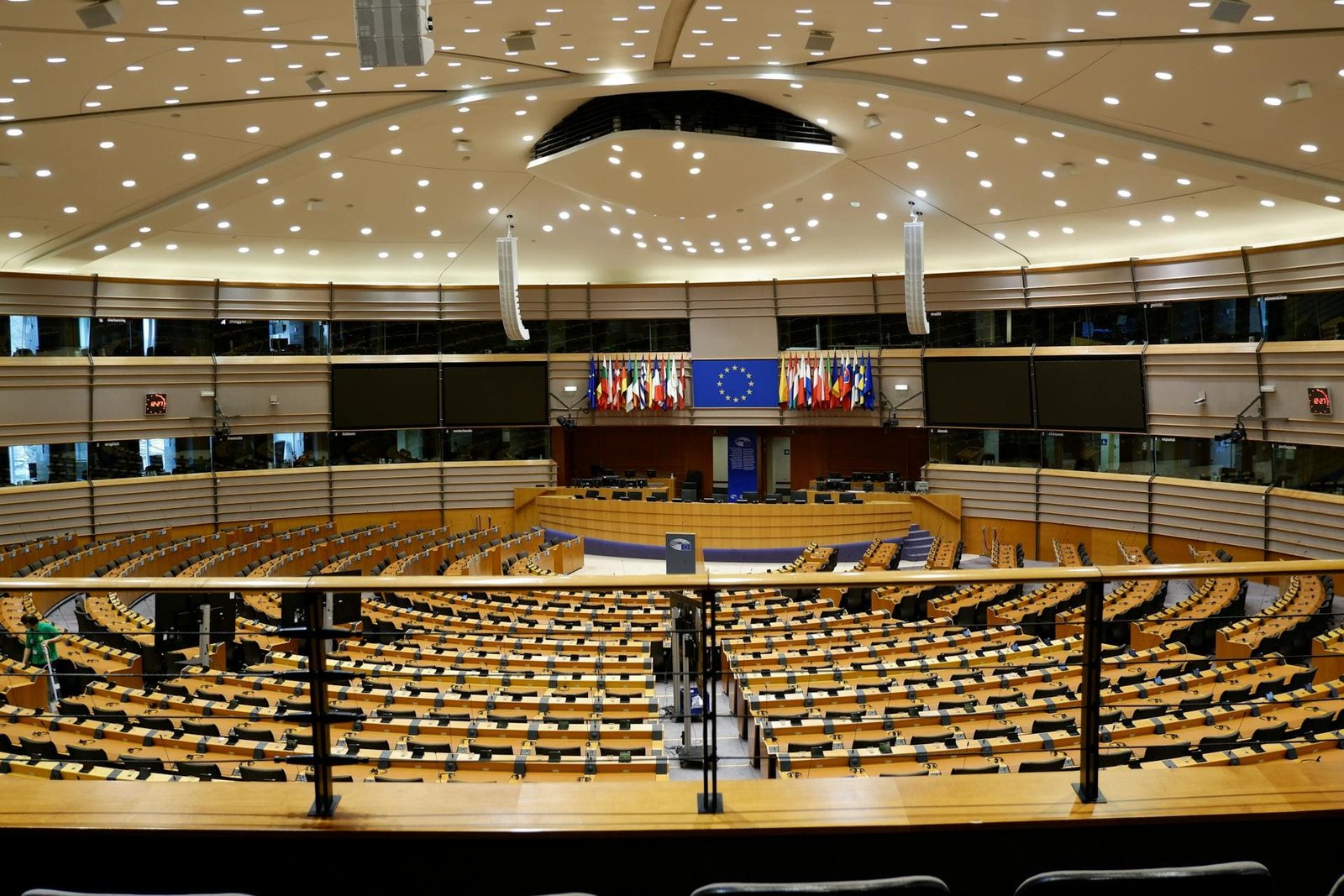
The European Parliament approved, with amendments, the Commission's proposal updating the rules on consular protection for unrepresented Union citizens in a third country. MEPs notably introduced a 48 hour deadline in a crisis, reimbursement of exceptional consular costs within 12 months and an additional evaluation after two years. This text is Parliament's position in a consultation procedure; it is not a negotiating mandate.
When a Union citizen is in a third country where their own Member State has no embassy or consulate, they are entitled to consular protection from another Member State. The 2015 directive frames this mutual assistance, but recent crises have shown gaps in identifying the people concerned, coordinating travel advice and covering high costs. The Commission proposed to modernise this framework; Parliament voted amendments to strengthen operational tools and data protection.
48 hour deadline in a crisisWhen a crisis prevents a citizen from safely reaching their embassy or consulate, or from being assisted by them, for more than 48 hours, they are considered unrepresented. Member States and Union delegations must automate this identification as much as possible.
Reimbursement within 12 monthsIf consular protection for an unrepresented citizen involves exceptionally high and justified transport, accommodation or translation costs, the assisting Member State may request direct reimbursement from the Member State of nationality within 12 months of the date of assistance. The initial proposal did not provide for this direct reimbursement between Member States.
Annual consular exercisesJoint consular emergency frameworks must include operational mechanisms and be tested at least once a year through consular exercises. Member States also exchange their travel advice and coordinate its consistency at any stage of a crisis, with the support of the European External Action Service.
Informing citizensMember States must inform their citizens of their right to consular protection, including through travel advice, campaigns, digital platforms, mobile applications and automatic short message notification systems.
Sensitive data under rulesNational authorities and Union institutions may process special categories of personal data and data on criminal convictions when this is strictly necessary for consular protection tasks. Transfers to third countries are only permitted if they are directly linked to these tasks and comply with European data protection rules.
Evaluation after two yearsThe Commission will evaluate the implementation of the directive two years after the transposition deadline, in particular to check whether its scope effectively protects refugees and other people legally residing in a Member State. An evaluation of transposition and application is also planned after five years, with a legislative proposal if necessary.
Parliament adopted the text by 470 votes in favour, 180 against and 18 abstentions, in an electronic roll call vote.
In practice, a Union citizen stranded in a third country during a crisis without being able to reach their embassy or consulate will be considered unrepresented after 48 hours and may receive help from another Member State. Exceptional costs incurred for this help may be reimbursed between Member States within the year, which limits reluctance to intervene. Travellers will receive more information and real time alerts, and their sensitive data may only be processed if strictly necessary for their protection. The text must still go through the consultation procedure before becoming law.
A Union citizen stranded in a third country where their State has no embassy must be able to count on help from another Member State. Parliament adopted a legislative resolution amending the Commission's proposal: it sets a 48-hour deadline in a crisis, organizes reimbursement of exceptional costs within 12 months and requires annual consular exercises. The vote (470 for, 180 against, 18 abstentions) is not a negotiating mandate: it is Parliament's position in a consultation procedure, before the Council rules.
Parliament is enshrining a simple rule: beyond 48 hours without possible contact with their country's authorities, a Union citizen is deemed unrepresented. This is not a right to automatic assistance, but an identification criterion that obliges Member States and delegations to automate their procedures. The aim is to prevent administrative slowness from depriving a person of help during a crisis.
The mechanism has a cost: Member States will have to invest in information systems and annual exercises. But the cost of inaction is measured in human lives and in citizens left without rescue. The question is not whether these tools are necessary, but whether they will actually be operational and funded. The EEAS will see its budget and staff called upon to increase, without the text setting any amount.
The initial proposal did not provide for direct reimbursement between Member States for exceptional consular costs. Parliament introduced it: the assisting State may claim from the State of nationality the transport, accommodation or translation costs incurred, within 12 months. This mechanism follows an incentive logic: without compensation, a State will hesitate to incur high expenses for a citizen who is not its own. Reimbursement removes this reluctance and aligns interests.
However, the mechanism covers only the situations referred to in Article 9, points (a), (b), (c) and (e), and assumes that the costs are "essential and justified". Member States will retain a margin of appreciation that could recreate disparities. The taxpayer will pay twice: once for their own consulate, once for reimbursement to the State that helped. Solidarity has a price, but it is less costly than the absence of solidarity.
The text authorizes the processing of special categories of personal data (health, facial images, criminal convictions) where strictly necessary for consular protection. Transfers to third countries are permitted only if directly linked to these tasks and compliant with the GDPR. This approach is balanced: it recognizes that consular assistance may require sensitive information, while framing its use.
One may regret that the text does not go further in simplification: consular authorities remain subject to multiple reporting obligations, and the administrative burden will weigh mainly on small consular posts. An approach based on the principle of subsidiarity could have entrusted Member States with defining their own procedures, in compliance with GDPR principles, rather than adding a layer of detailed rules.
48 hours to be considered unrepresented: the deadline is short, but it is better than an eternity of uncertainty.