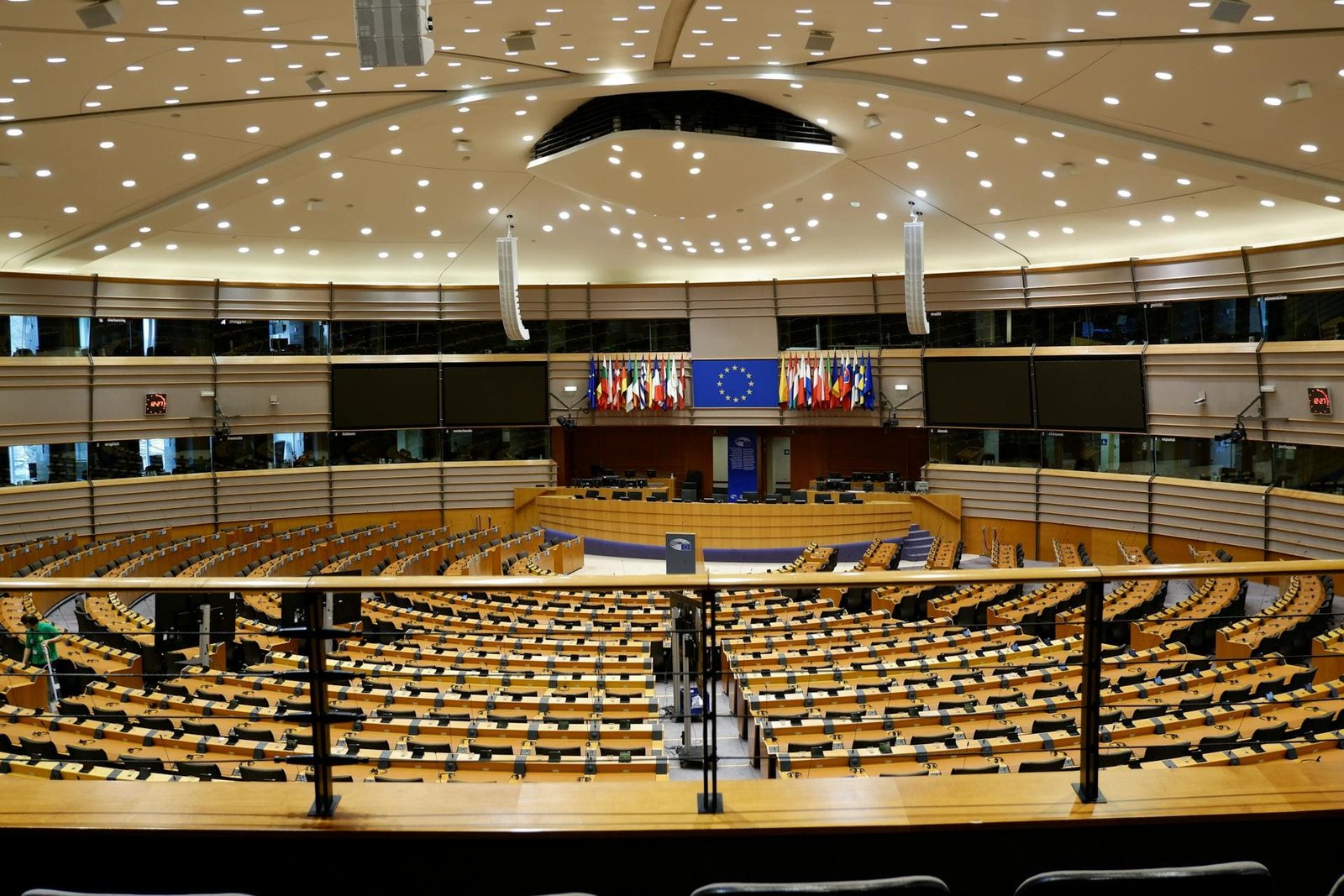
The European Parliament approved the provisional agreement with EU governments that authorises France to accede to the Inter-American Convention for the Protection and Conservation of Sea Turtles. France must inform Parliament, the Council and the Commission of its accession, consult the Commission and local stakeholders before taking a position under the convention, and send them its annual report. This text is Parliament's final position; EU governments must still give their formal approval before it becomes law.
On 4 February 2025, France requested authorisation to accede to this convention, signed in Caracas on 1 December 1996, to strengthen its cooperation with the countries neighbouring its American and Caribbean territories. Some matters covered by the convention fall under the exclusive competence of the European Union, which is why France needs an EU authorisation to accede to it. The convention aims to protect and conserve sea turtles present in the seas adjacent to the American continent and in the Caribbean.
Green light for France's accessionFrance is authorised to accede to the Inter-American Convention for the Protection and Conservation of Sea Turtles, done at Caracas on 1 December 1996.
Mandatory information to the institutionsFrance must inform the European Parliament, the Council and the Commission of its accession to the convention.
Consultation before any positionFrance must consult the Commission and the relevant stakeholders, in particular local actors, on positions relating to decisions, measures and recommendations taken under the convention, and regularly inform the Commission of their adoption.
Shared annual reportFrance must make its annual report provided for by the convention available to the European Parliament, the Council and the Commission.
Only France is concernedThe decision is addressed solely to France. Matters covered by the convention that do not fall under the exclusive competence of the Union are not affected.
Parliament adopted the text by 658 votes in favour, 2 against and 4 abstentions.
This decision allows France to cooperate with its American and Caribbean neighbours to better protect sea turtles, particularly against illegal fishing that causes accidental catches in areas such as French Guiana. Citizens and local actors, fishermen and associations, will be consulted before France takes a position under the convention. Parliament, the Council and the Commission will be kept informed of the accession and will receive the French report on the implementation of the convention every year.
The European Parliament approved, by 658 votes in favour, 2 against and 4 abstentions, the provisional agreement authorising France to accede to the Inter-American Convention for the Protection of Sea Turtles. Behind the apparent technicality lies a well-understood sovereignty issue: France is requesting the Union's authorisation because the matter falls partly within the EU's exclusive competence, and the text frames this accession with information and consultation obligations. Nothing more, nothing less.
France's request of 4 February 2025 sought to strengthen cooperation with neighbouring countries of its American and Caribbean territories, where illegal fishing causes accidental catches of sea turtles, particularly in French Guiana. The Caracas Convention covers matters falling within the Union's exclusive competence, hence the need for an authorisation. Parliament is therefore doing nothing other than giving its green light to an existing legal framework, without creating new European competences.
The obligations imposed on France are proportionate: informing the institutions of its accession, consulting the Commission and local actors before taking a position in the Convention's bodies, and sharing its annual report. These requirements ensure that France does not commit alone to decisions that could affect common policies on the protection of marine resources. For fishermen and local associations, this means their voices will be heard before Paris defines its position.
This case illustrates a well-understood subsidiarity: the Union authorises a State to act within an international framework where its exclusive competences are at stake, without however absorbing environmental policy or imposing additional obligations on economic actors. The decision is addressed to France alone, and matters not covered by the EU's exclusive competence remain a national matter. This is an approach that deserves to be welcomed: it avoids regulatory overload and respects the responsibility of States.
The massive vote (658 for, 2 against, 4 abstentions) shows a rare consensus. The few isolated oppositions do not call accession into question but perhaps reflect concern about the scope of the authorisation. The final text nevertheless specifies that the decision does not constitute an exercise of the Union's external competence for non-exclusive matters, which clearly limits its scope. A more liberal alternative would have been to let France accede without prior authorisation for non-exclusive matters, but the current legal framework does not allow it.
A targeted authorisation, not a transfer of sovereignty: France remains in charge, the Union keeps watch over the framework.