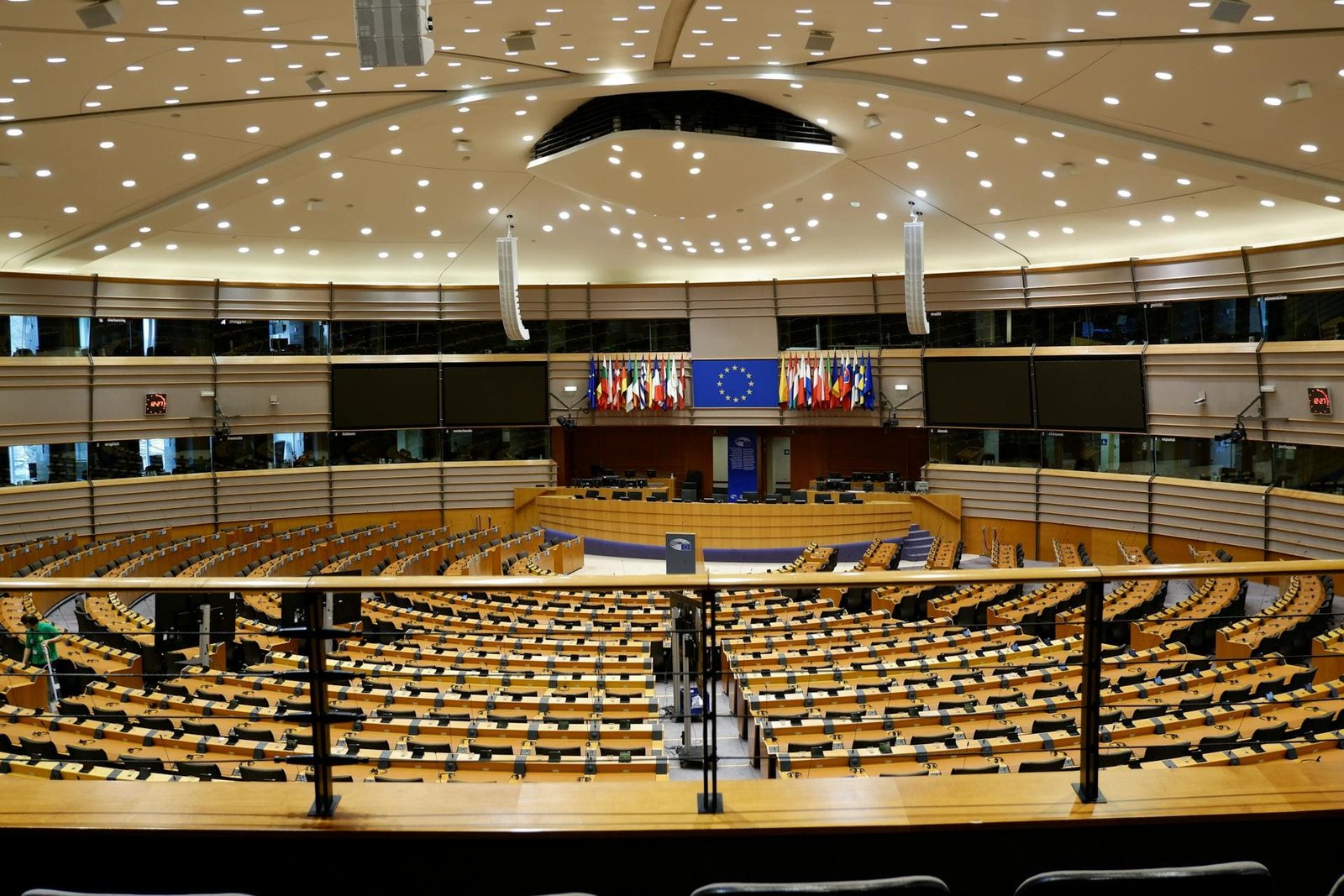
The European Parliament has adopted a resolution that firmly condemns the Cuban regime's repression and demands the immediate and unconditional release of Félix Navarro, his daughter Saylí Navarro and all other political prisoners. It also calls for the activation of the human rights clause of the EU-Cuba agreement and the suspension of that agreement if Cuba does not take concrete steps toward democracy. This text is a political statement: it does not create a legal obligation, but it commits the official position of the European Union.
Félix Navarro, 72, a historic dissident and human rights defender, was released in January 2025 as part of an agreement negotiated by the Catholic Church, but his release was revoked in April 2025. He suffers from diabetes and chronic respiratory diseases, and was reportedly beaten by prison guards in April 2026 before being placed in isolation. His daughter Saylí Navarro, co-founder of the organization Damas de Blanco (a Sakharov Prize laureate), is also imprisoned. In August 2026, 1,339 political prisoners were recorded in Cuba, including 155 women and 38 minors, according to figures cited in the resolution.
Immediate release demandedThe Parliament demands the immediate and unconditional release of Félix Navarro, Saylí Navarro and all other political prisoners.
Medical care for detaineesIt calls for Félix Navarro and all other prisoners to receive immediate, adequate and independent medical care, and reminds the Cuban authorities of their obligation to guarantee the physical safety of detainees.
Sanctions against those responsibleThe Parliament reiterates its call for sanctions under the EU Global Human Rights Sanctions Regime against those responsible for the repression, starting with Miguel Díaz-Canel.
EU-Cuba agreement threatened with suspensionIt calls for the activation of the human rights clause of the EU-Cuba Political Dialogue and Cooperation Agreement and the immediate suspension of that agreement if the regime does not take concrete and verifiable steps toward a pluralist democracy and the release of all political prisoners.
End of forced exileIt condemns forced exile as a means of coercion and demands that every prisoner has the right to remain in their country and to return there without preconditions.
The resolution was adopted by 374 votes in favour, 198 against and 19 abstentions in an electronic roll-call vote on 17 September 2026.
This resolution does not directly change European law: it expresses the political position of the European Parliament and calls on the Commission and the Member States to act. In practice, it calls for European sanctions against the Cuban officials responsible for the repression, including Miguel Díaz-Canel, and threatens to suspend the EU-Cuba dialogue and cooperation agreement if no concrete measures are taken to release political prisoners and move toward democracy. For European citizens, this means that the Parliament is pushing the EU to toughen its stance on Cuba, but no legally binding measure is yet in force at this stage.
On 17 September 2026, the European Parliament adopted by 374 votes to 198 with 19 abstentions a resolution demanding the immediate and unconditional release of Félix Navarro, his daughter Saylí Navarro and all Cuban political prisoners. The text is a political declaration, not a law: it frees no one, but it sets out a position that the Commission and the member states will no longer be able to ignore. The real issue is not the vote, it is what happens if Miguel Díaz-Canel's regime does not move.
The EU-Cuba Political Dialogue and Cooperation Agreement is supposed to contain a human rights clause. In practice, that clause has never been activated, and the regime has carried on: 1,339 political prisoners recorded in August 2026, including 155 women and 38 minors, according to the figures cited in the resolution. Parliament therefore calls for the clause to be activated and, failing concrete and verifiable steps towards pluralist democracy and the release of all prisoners, for the agreement to be suspended. This is a firm position, but it remains an appeal: the decision lies with the Council and the Commission.
The mechanism is simple: a dialogue agreement without real conditionality becomes an alibi. The regime signs, changes nothing, and the EU keeps cooperating. By threatening suspension, Parliament introduces a cost for the regime, but also for the member states that will have to own that rupture. The question is whether the Council will follow or whether the resolution will remain a dead letter.
Parliament reiterates its call for sanctions under the EU Global Human Rights Sanctions Regime against those responsible for repression, starting with Miguel Díaz-Canel. This regime allows assets to be frozen and travel bans imposed, but it does not automatically designate anyone: the decision lies with the Council, by unanimity. The resolution does not impose sanctions; it demands that sanctions be imposed.
For European citizens, this means Parliament is pushing for a hardening, but nothing changes in European law as long as the Council does not act. The cost of inaction is clear: every month without sanctions, the regime gains time and the prisoners pay. The alternative would be to make economic and cooperation relations conditional on verifiable progress, rather than settling for declarations.
A resolution that demands release without suspending the agreement gives the regime time to win.