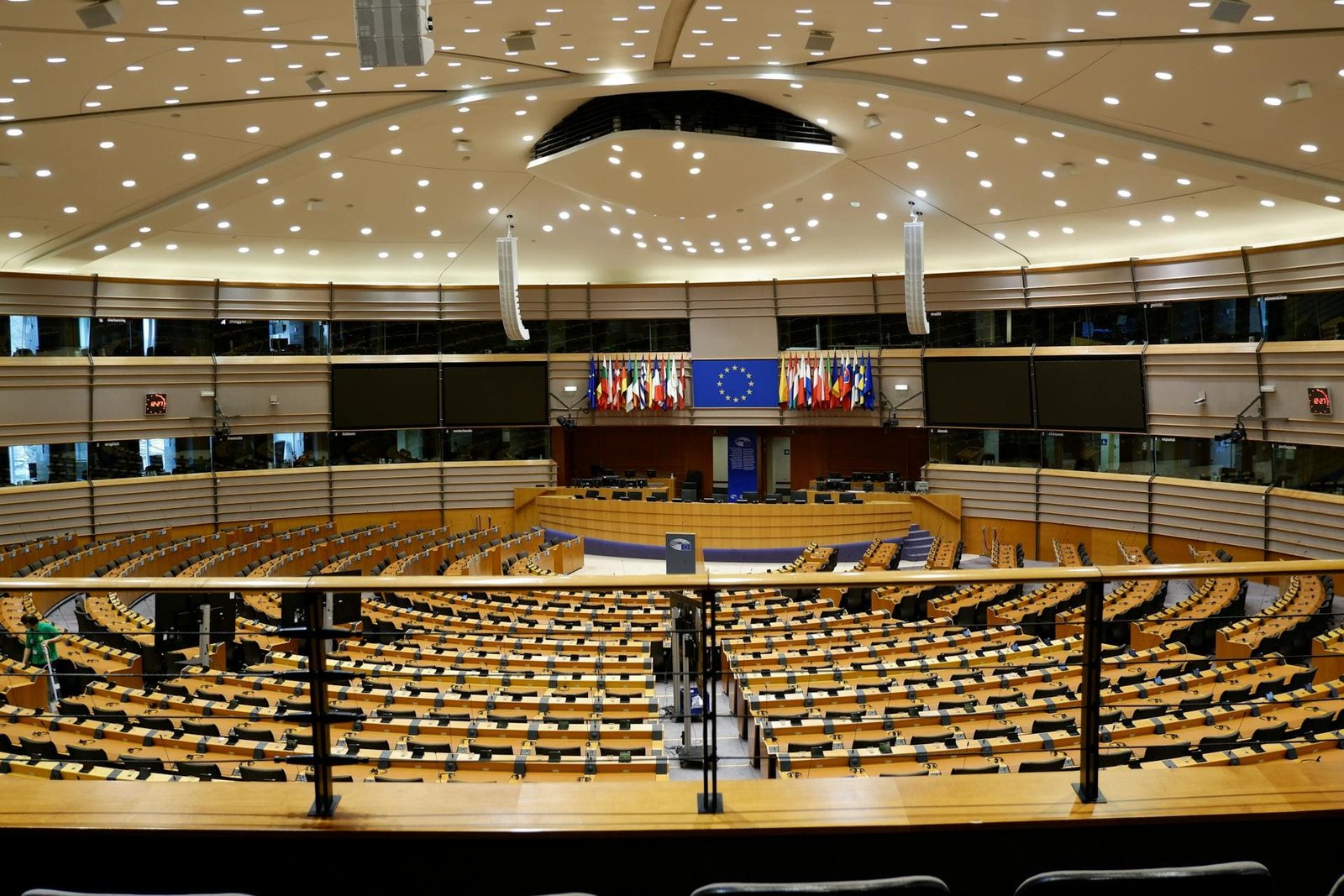
The European Parliament has adopted a resolution calling on the European Commission to put in place an EU strategy against cardiovascular diseases. It calls for a horizontal prevention plan covering all risk factors, national cardiovascular health plans and stricter regulation of tobacco, nicotine and advertising for products that promote these diseases. The text was adopted by 545 votes in favour, 47 against and 75 abstentions. The Parliament is asking the Commission to act; this is not a law.
Cardiovascular diseases remain the leading cause of death in the European Union. The Parliament considers that the current response is too focused on acute care and not enough on prevention throughout life. It therefore calls for a comprehensive strategy that tackles avoidable risk factors (tobacco, nicotine, diet, sedentary lifestyle, occupational exposure) and that reduces inequalities in access to screening and care. The text follows on from the European plan to beat cancer and the EU's international health commitments.
Horizontal prevention planThe Parliament calls on the Commission to adopt a horizontal EU prevention plan covering all risk factors for non-communicable diseases, including transition pathways for congenital heart disease and monitoring of pregnancy-related risks.
National cardiovascular health plansThe Commission is invited to help Member States develop and implement national cardiovascular health plans, with EU-wide guidelines, appropriate funding, exchange of good practices and technical assistance.
Tobacco and nicotine: expanded scopeThe Parliament calls for all non-medicinal nicotine products, including new and emerging products, to fall within the scope of the Tobacco Products Directive and to be subject to rules on age limits, flavours, nicotine content, packaging and marketing.
Regulated advertising and marketingIt calls for clear regulation of advertising, promotion and sponsorship for tobacco and nicotine products in all media, including online platforms and social media, and for social media advertising to be explicitly covered by the Directive on advertising and sponsorship for tobacco products.
Objectives, monitoring and evaluation reportThe Commission is invited to set clear objectives, indicators and milestones for reducing and managing cardiovascular risks, with transparent monitoring and regular public reporting, including equity objectives and precise targets for reducing cardiovascular mortality. An evaluation report on the implementation of the healthy heart plan is requested no later than four years after its adoption.
On 16 September 2026, the European Parliament adopted this resolution by 545 votes in favour, 47 against and 75 abstentions, in an electronic roll-call vote.
This resolution does not yet create directly applicable rights or obligations. It sets out the Parliament's position and calls on the Commission, the Council and the Member States to act: a European prevention plan, national cardiovascular health plans, stricter regulation of tobacco and nicotine, and restrictions on advertising for products that increase cardiovascular risk. If these requests lead to legislative proposals, they could change the rules on the sale and marketing of these products and improve access to screening and prevention. The Parliament also commits to carrying out a study on the implementation of the healthy heart plan in all Member States.
The European Parliament has adopted a resolution calling for an EU strategy against cardiovascular disease, the leading cause of death in the Union. By 545 votes to 47 with 75 abstentions, it asks the Commission for a horizontal prevention plan, national cardiovascular health plans and stricter regulation of tobacco, nicotine and advertising. This is not a law: it is a political request, and its cost will depend on what the Commission makes of it.
The adopted text is an own-initiative resolution: it has no direct legal force. It piles up requests to the Commission and the Council, from the horizontal prevention plan to recommendations on health education in schools, including the inclusion of nicotine pouches in the Tobacco Products Directive. Each request is legitimate taken on its own, but their accumulation raises a simple question: who will pay the bill, and who will answer for failure if the objectives are not met?
Parliament calls for precise targets for reducing cardiovascular mortality and for transparent monitoring. That is good discipline, provided these targets do not become obligations of means imposed on Member States. Prevention is first and foremost the responsibility of national health systems, schools and families. A European plan can help through the exchange of good practices and research funding, but it cannot replace the responsibility of States.
Parliament wants to include all non-medicinal nicotine products in the Tobacco Products Directive, with rules on age limits, flavours, nicotine content, packaging and marketing. The intention is clear: prevent minors from accessing attractive products and guarantee legal certainty. But every new rule has a cost for manufacturers, distributors and tobacconists, and that cost is passed on to prices or to innovation. The question is not whether these rules are desirable, but whether they are proportionate and whether they do not hold back alternatives less risky than cigarettes.
The call to regulate advertising on social networks and to revise the Unfair Commercial Practices Directive to protect consumer health goes in the same direction. It deserves discussion, but it must not serve as a pretext for general regulation of commercial speech. An evidence-based approach targeted at genuinely harmful products would be more effective than a broad ban that would penalise responsible actors.
A resolution is not a law: it sets an intention, not an obligation. The real test will be the legislative proposal the Commission draws from it.