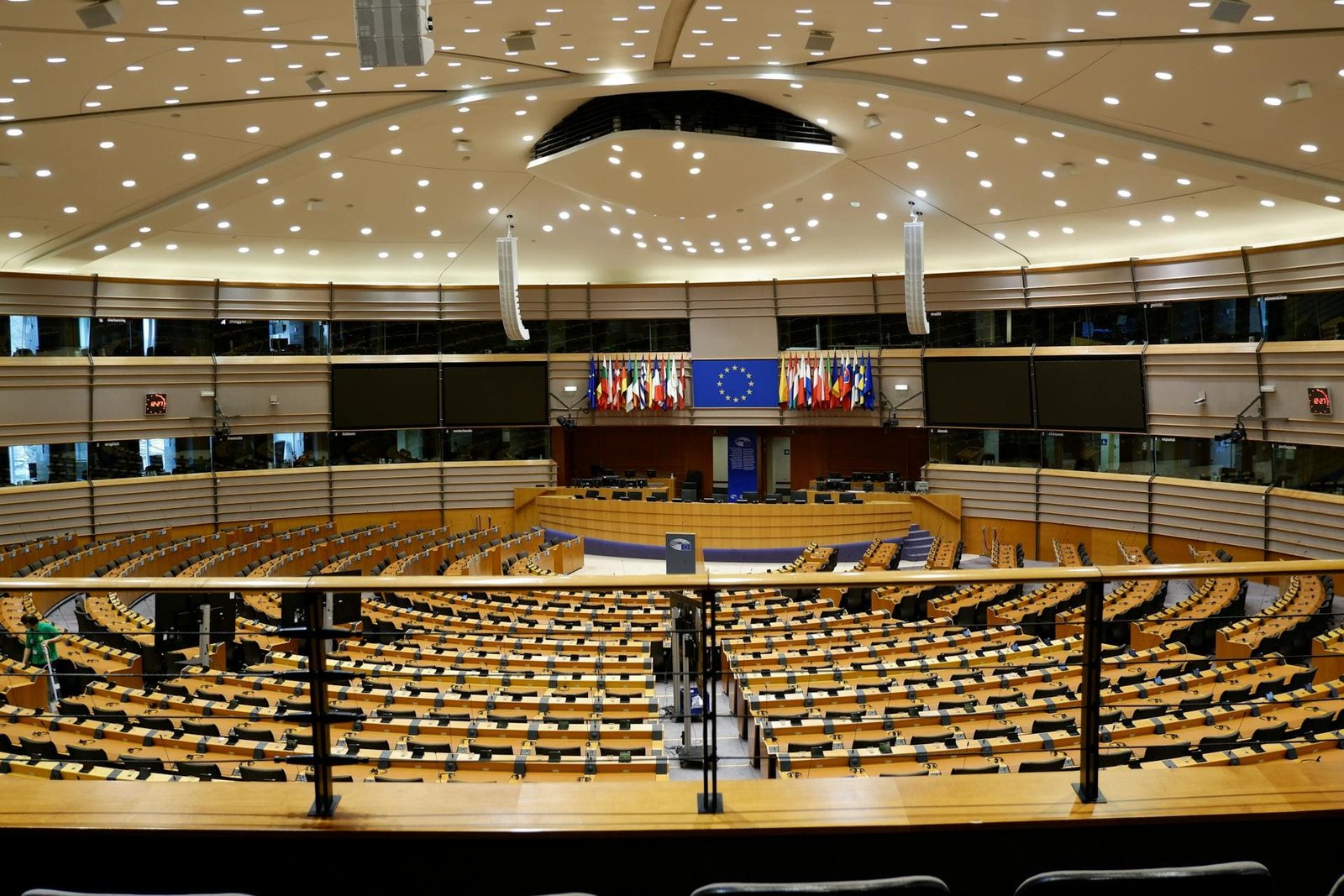
The European Parliament adopted a resolution calling on the Commission to withdraw its draft decision to renew the authorisation of genetically modified maize MON 87460. It also calls for not renewing this authorisation and for proposing a reform of the GMO decision-making procedure. This is not a final text: the Commission must still decide whether or not to withdraw its draft.
Maize MON 87460 has been authorised since 2015 for human and animal food, without cultivation. In March 2024, Bayer applied for the renewal of this authorisation. The European Food Safety Authority issued a favourable opinion on 8 December 2025, but Parliament considers that this opinion does not cover the long-term effects on biodiversity, food security, farmers' incomes and animal health. On 10 June 2026, the committee of experts from the Member States did not reach a qualified majority.
Withdrawal of the renewal draftParliament calls on the Commission to withdraw its draft decision that would renew the authorisation of maize MON 87460.
No renewal of the authorisationIt calls on the Commission not to renew the authorisation, given the lack of sufficient evidence on the long-term impact on biodiversity, food security, farmers' livelihoods and animal health.
Reform of the GMO procedureIt calls on the Commission to present without delay a legislative proposal to reform the GMO decision-making procedure, in response to Parliament's repeated objections and the absence of a qualified majority in the Council.
Incompatibility with Union lawParliament considers that the Commission's draft exceeds the implementing powers provided for by the regulation on genetically modified food and feed and that it is incompatible with the objective of a high level of protection.
Transmission to the institutionsThe President of Parliament shall forward the resolution to the Council, the Commission and the governments and parliaments of the Member States.
The resolution was adopted by 433 votes in favour, 159 against and 10 abstentions in an electronic roll-call vote.
In practice, maize MON 87460 remains authorised for now: the Commission has not yet withdrawn its draft. If it withdraws it, the renewal will not take place and the current authorisation will expire on its scheduled date. If it does not withdraw it, the renewal may be adopted despite Parliament's opposition. Parliament also calls for a reform of the procedure so that GMO decisions take better account of long-term effects and divergent opinions of Member States.
The European Parliament is asking the Commission to withdraw its draft renewal of the authorisation for genetically modified maize MON 87460 and not to renew it. This is not a final legislative act, but a clear political signal: the GMO procedure as it operates no longer convinces, and Parliament wants to reform it.
Parliament is not voting for a ban: it objects to a draft implementing decision by the Commission and asks it to withdraw it. The scope is political. The Commission remains in charge of the final decision, but it is now faced with its responsibilities: renew an authorisation that Parliament considers poorly founded, or withdraw its text.
The mechanism is simple: the 2015 authorisation is expiring and Bayer is applying for its renewal. EFSA issued a favourable opinion in December 2025, but Parliament considers that this opinion does not cover the long-term effects on biodiversity, food security, farmers' incomes and animal health. It therefore asks the Commission not to renew, relying on the One Health approach.
The committee of experts from the Member States did not reach a qualified majority on 10 June 2026. This institutional deadlock is the real problem: when neither the States nor Parliament clearly support an authorisation, the Commission decides alone. Parliament is calling for a reform of the procedure to break this impasse.
Parliament does not dispute EFSA's science, but its scope. EFSA assesses direct health and environmental risks; it does not rule on cumulative, socio-economic effects or on dependence on herbicides. Yet these questions matter to farmers and citizens. A procedure that ignores them produces contested decisions.
The call for reform is an opportunity to rethink how the Union authorises GMOs. An approach based on subsidiarity and responsibility would give Member States a real role, without blocking the internal market. It would also require more comprehensive assessments, but without adding unnecessary layers of control that delay decisions and cost businesses.
In the meantime, maize MON 87460 remains authorised. If the Commission withdraws its draft, the current authorisation will expire on its scheduled date. If it does not withdraw it, the renewal may be adopted despite Parliament's opposition. Citizens and farmers have no clear answer, and that is precisely what Parliament wants to change.
When neither Parliament nor the States support an authorisation, the Commission cannot decide alone without being held accountable.