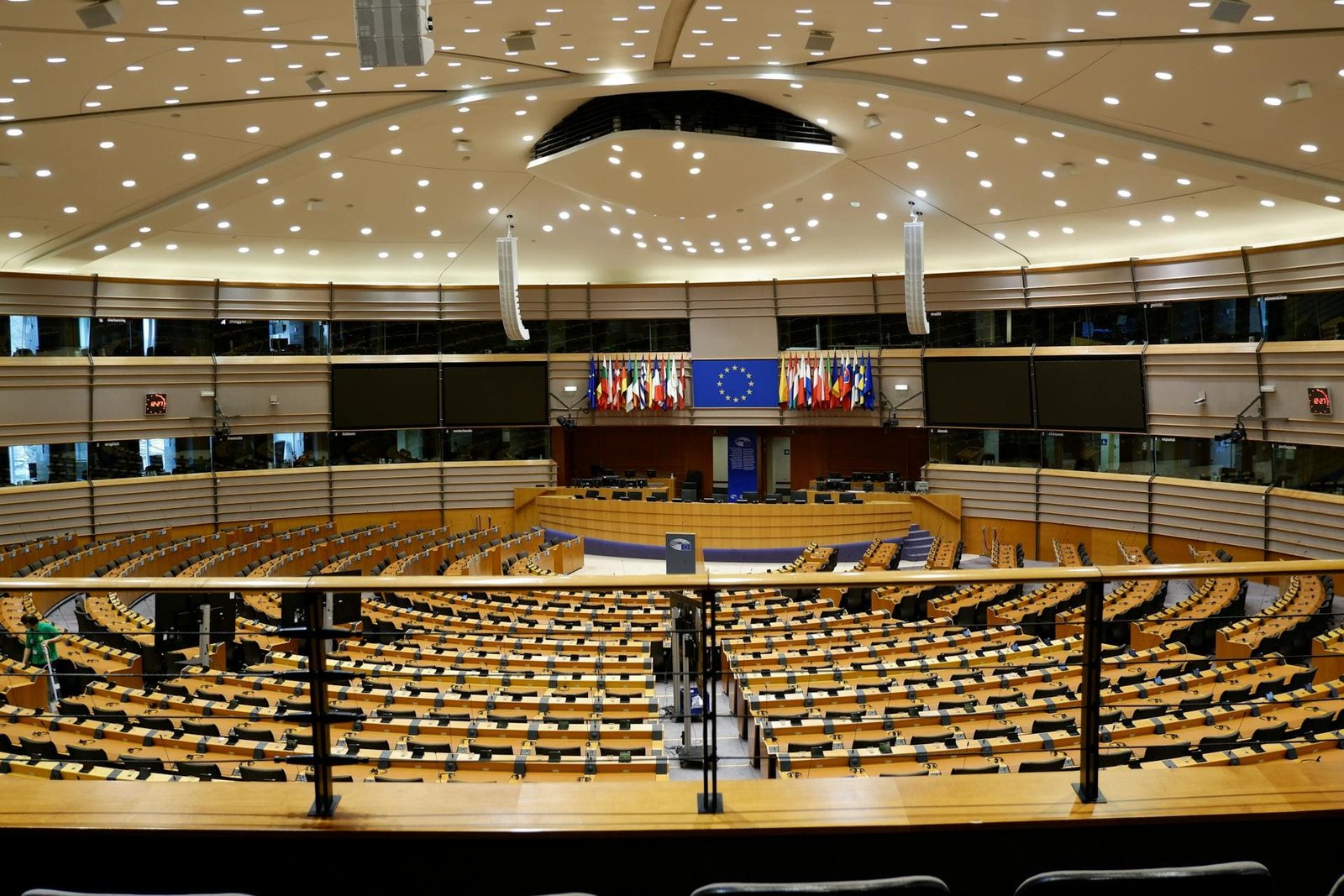
The European Parliament adopted on 15 September 2026 an evaluation report on the implementation of the reinforced youth guarantee. It welcomes the extension of the age of beneficiaries from 15-24 to 15-29, but regrets that some Member States refuse to apply it. It calls for the next European budget to keep at least 12.5% of the European Social Fund (ESF+) for youth employment and for the youth unemployment rate to become a key indicator again. This text is not a law: it expresses Parliament's position and is addressed to the Commission and the Member States.
The youth guarantee has existed since 2013: it was supposed to offer every young person under 25 an offer of employment, training or apprenticeship within four months of leaving school or losing their job. In 2024, the Council reinforced this scheme by extending the age range to 25-29 year olds and focusing on the quality of offers. Parliament examined how this reinforced version is applied on the ground. Its finding: the NEET rate (young people not in employment, education or training) fell from 16.1% in 2013 to 11% in 2025, but more than half of participants remain in the preparatory phase for more than four months and coverage remains below 50% of NEETs in many countries.
Keep 12.5% of ESF+ for young peopleParliament calls for the next European budget to keep at least 12.5% of the European Social Fund for youth employment, education and the school-to-work transition, in a future separate ESF targeting those under 30. It regrets that the Commission's 2028-2034 budget proposal contains no specific envelope for youth employment.
Restore youth unemployment as a key indicatorThe youth unemployment rate was downgraded to an auxiliary indicator in the macroeconomic imbalances procedure. Parliament calls on the Commission to restore it as a key indicator, as it remains close to 15% in the Union, nearly three times the overall rate.
More ambitious NEET target for 2030The action plan on the European Pillar of Social Rights aims to bring the NEET rate down to 9% by 2030. Parliament calls for a more ambitious target in the new action plan, without setting a new figure.
Mandatory monitoring and disaggregated dataParliament calls on Member States to collect in a timely manner disaggregated data on the quality of offers, the type of contract, pay, access to social protection, educational progress and the risk of becoming NEET again. It invites the Commission to provide technical assistance to countries whose monitoring systems are incomplete.
National funding as a complementMember States, in particular those that have not reached the NEET reduction target for 2030, are invited to complement European funds with national funds. Parliament also calls for a national budget marker to clearly track spending related to the youth guarantee.
The report was adopted by 530 votes in favour, 77 against and 61 abstentions during the electronic roll-call vote of 15 September 2026.
For young people aged 15 to 29, the reinforced youth guarantee remains a right to a quality offer within four months, but its application depends on the Member States. Parliament calls for the next European budget to keep at least 12.5% of ESF+ for youth employment, which conditions the funding of national schemes. It also calls for better monitoring of results, particularly on job quality and social protection, and a more ambitious target for reducing NEETs by 2030. These requests are not binding: they are addressed to the Commission and governments, which will decide on the follow-up.
The European Parliament adopted on 15 September 2026 an evaluation report on the reinforced Youth Guarantee. Behind the finding of 15% youth unemployment in the Union, three times the overall rate, the real issue is budgetary: the Commission proposes a 2028-2034 framework with no envelope dedicated to youth employment, while the Parliament demands maintaining at least 12.5% of ESF+ for those under 30. This text is not a law, but it sets the balance of power before the negotiation of the next budget.
The Youth Guarantee promises every young person an offer of employment, training or apprenticeship within four months. In 2024, more than half of participants (54%) remained in the preparatory phase for more than four months, and the coverage rate remains below 50% of NEETs in many Member States. The Parliament is right to point out the gap between the promise and the ground: without administrative capacity in public employment services, extending the age bracket to 25-29 year olds increased the number of files without increasing resources. The result is a displayed right that administrations cannot honour.
The Parliament also calls for disaggregated data on the quality of offers, the type of contract, pay and access to social protection. This is useful, but the cost must be measured: every collection obligation weighs on the same services that already struggle to process files. Simplification would mean removing purely quantitative indicators (fast exit rate, number of registrations) that encourage box-ticking rather than sustainable placement of young people. The Parliament does not go that far: it adds indicators without removing the old ones.
The Parliament demands that the next financial framework maintain at least 12.5% of ESF+ for youth employment, in a future separate ESF targeting those under 30. It deplores that the Commission's 2028-2034 proposal contains no specific envelope. Yet this earmarking is an inheritance from the Youth Employment Initiative, merged into ESF+. Removing it amounts to financing the Youth Guarantee from the same social funds as other policies, with no guarantee that young people will benefit. For Member States whose NEET rate exceeds the Union average, this is a direct risk of seeing national schemes dry up.
The Parliament calls for a national budgetary marker to track spending. This is a good idea for transparency, but it does not replace conditionality: if Member States do not declare their national spending, comparison remains impossible. The Parliament could have demanded that payment of European funds be conditional on the publication of this data. It does not do so. This is a missed opportunity to link funding and accountability.
The report also mentions a specific budget of at least 20 billion euros for the European Child Guarantee. This political demand has no operational scope in this text, but it illustrates the temptation to stack envelopes without reforming mechanisms. The priority should be to concentrate existing funds on the NEETs furthest from the labour market, as the Parliament itself acknowledges.
Without dedicated budgetary earmarking, the Youth Guarantee will remain a promise that public services cannot keep.