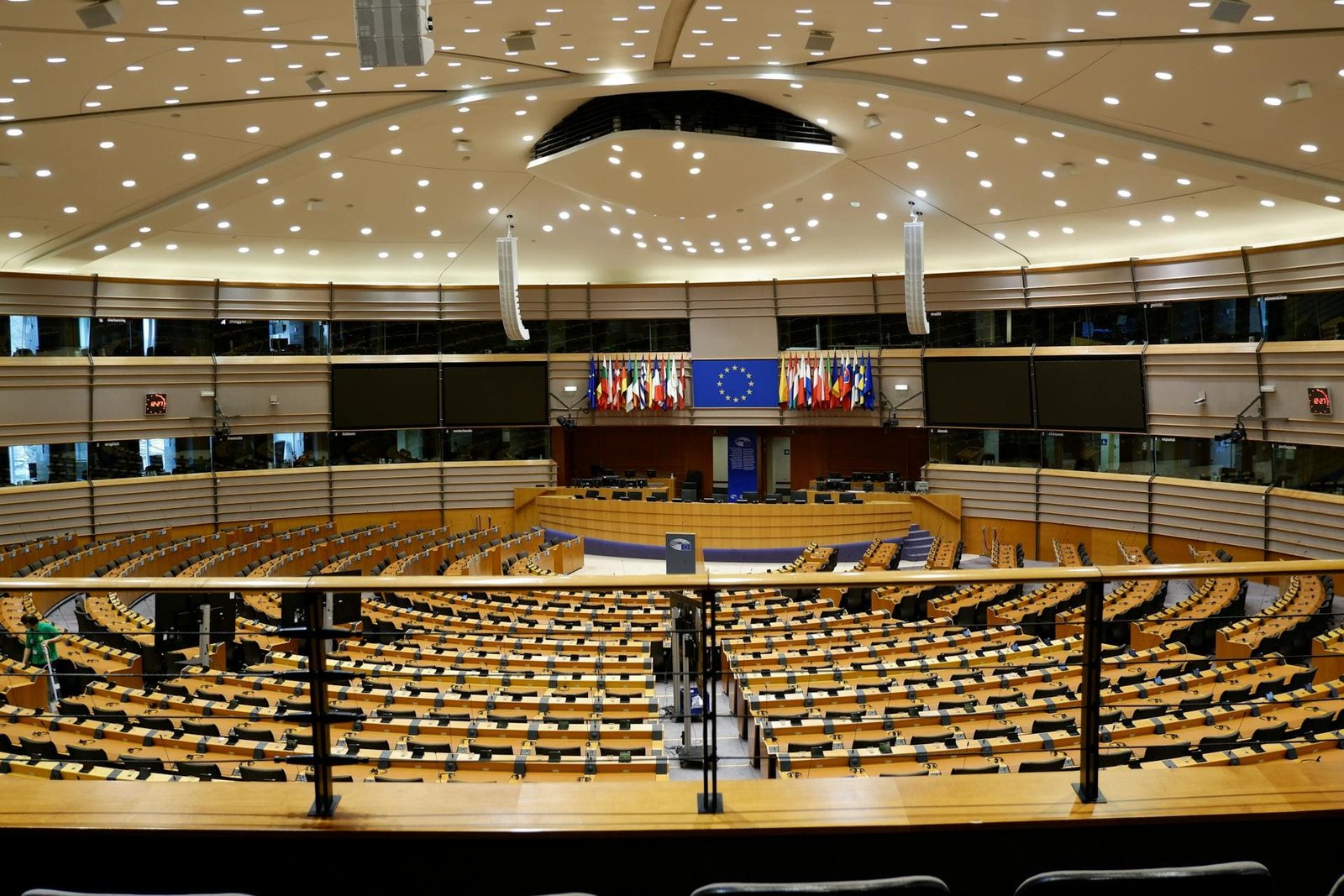
The European Parliament adopted a resolution calling for a shift to a phase of rebuilding and restoring Baltic Sea fish stocks, with the possibility of suspending targeted fishing of certain stocks. It also calls for the creation of a dedicated fund for the recovery and transition of Baltic fishing, as well as an evaluation and possible revision of the current management plan. The text is not a law: it calls on the Commission and the Member States to act.
The multiannual plan for the Baltic Sea has governed the management of cod, herring and sprat since 2016. Despite this plan, several stocks continue to decline, and the closure of targeted cod fishing in 2019 has weakened coastal communities. Parliament considers that the phase of simply implementing the plan is no longer sufficient and that a shift to a logic of stock rebuilding is needed, while economically supporting affected fishermen.
Move to stock rebuildingThe Commission and the Member States are invited to abandon the simple implementation of the current plan and enter a phase of rebuilding and restoring fish stocks, based on the best available scientific advice.
Suspend targeted fishing if necessaryCorrective measures such as the suspension of targeted fishing of certain Baltic stocks, provided for by the multiannual plan, should be considered on a scientific basis, while avoiding compromising the socio-economic stability of coastal communities.
Create a fund for the BalticThe Commission is invited to create a fund dedicated to the recovery and transition of fishing in the Baltic Sea, to finance fleet restructuring, technological modernisation, compensation for losses due to fishing bans and the preservation of coastal communities.
Support affected fishermenSocial and financial support is requested, with temporary compensation and transition aid for fishermen, clearly distinguishing temporary cessation from permanent cessation in aid programmes.
Revise the management planThe Commission is invited to launch an evaluation and possible revision of the multiannual plan for the Baltic Sea in order to improve its clarity, coherence and practical application, and to assess the inclusion of salmon and trout among the covered stocks.
Parliament adopted the resolution by 337 votes in favour, 178 against and 44 abstentions in an electronic roll-call vote on 21 May 2026.
For fishermen and coastal communities in the Baltic, this resolution paves the way for specific financial support and compensation for losses linked to fishing closures. It also calls for future decisions on quotas to be taken on a scientific basis and taking socio-economic realities into account. For consumers, it aims to preserve the long-term availability of Baltic fish, particularly herring and sprat, while avoiding the collapse of stocks. The text is not a law: the Commission and the Member States will need to follow up on these requests for them to translate into action.
The European Parliament is asking to move from simple implementation of the multiannual plan for the Baltic to a stock rebuilding phase, with possible suspension of targeted fishing and the creation of a dedicated fund. On paper, the resolution adopted on 21 May 2026 by 337 votes to 178 with 44 abstentions speaks to urgency. In practice, it mainly adds demands to a Commission and member states that have failed to apply the existing plan. The problem is not the diagnosis, it is the instrument.
The multiannual plan for the Baltic has governed the management of cod, herring and sprat since 2016. It already provides for corrective measures, reference thresholds and harvest rules. Parliament notes that several stocks continue to decline and calls for going further. But it does not say why the existing tools have failed. Yet the answer is simple: the Council's annual quota decisions have regularly ignored scientific advice, and member states have not penalised infringements. Adding a fund and a new phase does not correct that mechanism. If the Council continues to set catches above ICES recommendations, no fund will rebuild the stocks.
The resolution also asks that the Commission, guardian of the treaties, act when the Council and member states breach the rules of the plan. That is the only credible lever. But it presupposes a political will that the same member states have not shown so far. Parliament is right to insist, but it should condition its support on acts, not on announcements.
The creation of a fund for the recovery and transition of Baltic fisheries is presented as a social response. It is partly one: the cod fishing closures since 2019 have weakened coastal communities, and small businesses have not been properly compensated. But a European fund does not create fish. It organises the transfer of public money towards activities that, if quotas remain badly set, will remain unprofitable. The real support for fishermen is a stable regulatory framework that allows them to plan, not a subsidy that compensates for the instability maintained by annual decisions.
Parliament calls for a clear distinction between temporary cessation and permanent cessation. That is a good thing: permanent cessation must reduce capacity where it is excessive, not artificially maintain fleets that the resource can no longer support. But it should also say who pays. A European fund means national contributions and a new budget line, therefore less room for manoeuvre for states that want to lower levies. The liberal alternative would be to let member states manage compensation for their own fishermen themselves, with their own finances, and to concentrate European action on the only thing it can do: enforce existing rules and stop overfishing.
The text insists on ICES advice and asks the Commission to make its requests for advice public. That is a welcome transparency requirement. It also calls for avoiding automatic reductions and for taking socio-economic realities into account. On this point, Parliament is walking a ridge line. Sustainable management presupposes predictable rules, not discretionary adjustments case by case. If every quota cut has to be negotiated according to its social impact, stocks will never rebuild. The right approach is a clear framework based on science, with compensation mechanisms for fishermen, not a flexibility that empties the rule of its meaning.
The invitation to ban trawling for fishmeal and fish oil during the rebuilding phase is consistent with the objective of direct human consumption. But it remains an invitation. Parliament could have called for a binding legislative proposal. It did not. That is the sign of a resolution that prefers the signal to the act.
Without quota decisions consistent with science, the Baltic fund will be no more than a bandage on a haemorrhage.