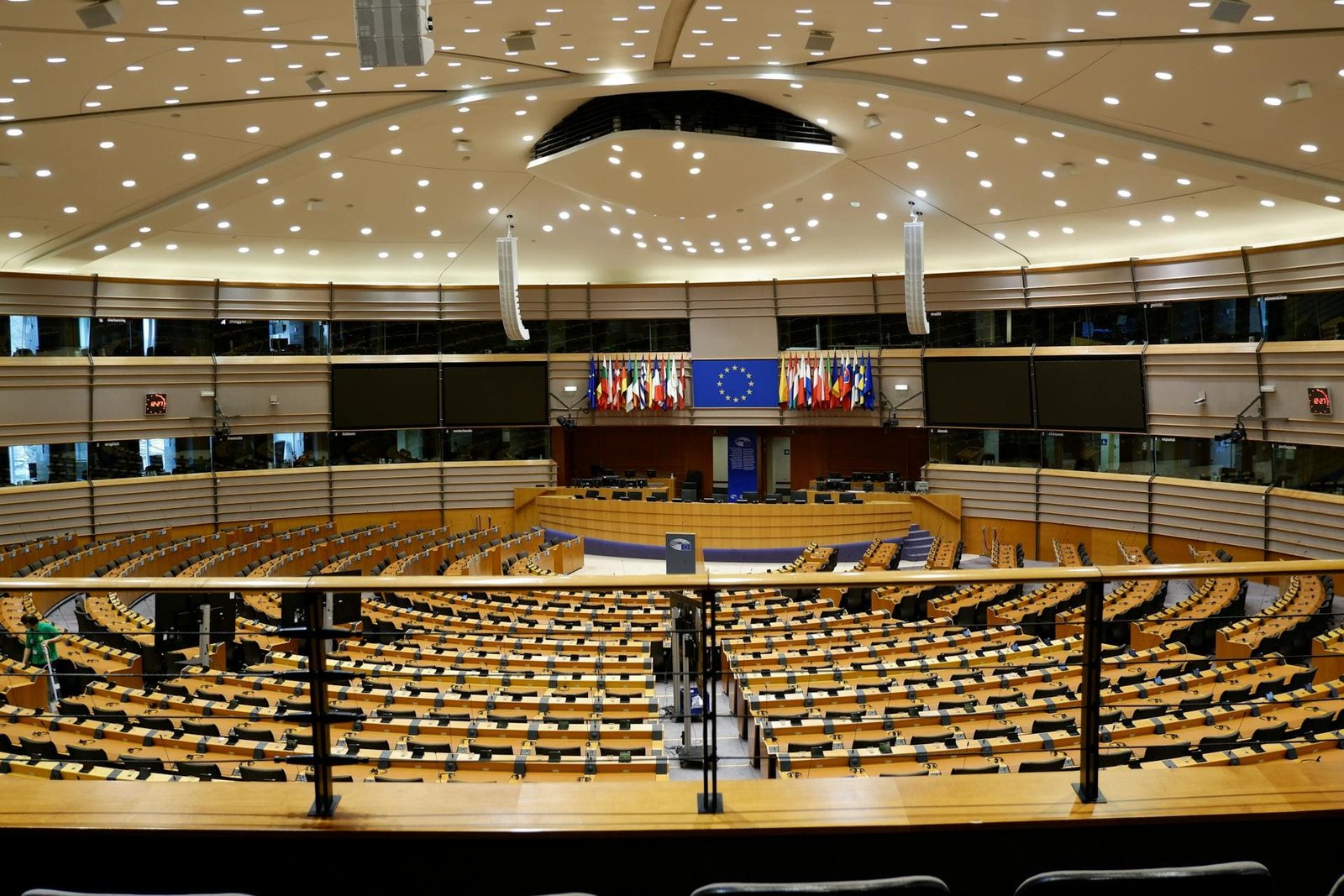
The European Parliament approved the payment of 1,916,733 euros to Belgium to help 416 former employees of Casa International NV and Casa Logistics NV, dismissed after the company's bankruptcy. This sum represents 85% of the total cost of the measures, estimated at 2,254,980 euros. The text is final on the Parliament's side; it must still be signed by the Presidents of the Parliament and the Council before publication in the Official Journal.
Casa, a chain of furniture and decoration stores, was declared bankrupt on 6 March 2025. The dismissals affected 257 employees of Casa International (retail) and 159 of Casa Logistics (warehousing), mainly in Flanders, in the province of Antwerp. Belgium requested aid from the European Globalisation Adjustment Fund (EGF), an instrument that co-finances reintegration measures for workers losing their jobs because of globalisation or economic crises. The Commission assessed the request and proposed this contribution in February 2026.
Contribution of 1,916,733 eurosBelgium receives 1,916,733 euros from the EGF, i.e. 85% of the total cost of 2,254,980 euros. The rest is financed by Belgium.
2,168,980 euros for personalised servicesOf this sum, 2,168,980 euros finance concrete measures for the workers: counselling, job search assistance, training, retraining and individual support.
86,000 euros for management86,000 euros cover the costs of preparation, management, information, publicity, control and reporting related to the programme.
Eligibility of expenditure since March 2025Personalised services are eligible from 14 March 2025, for a period of 24 months after the entry into force of the financing decision. Administrative expenditure is eligible from 6 March 2025, for 31 months.
Call for an in-depth evaluationParliament requests that the measures be subject to detailed final evaluations, including precise information on the use of funds and the success of workers' reintegration. It also insists that social partners be involved in the monitoring.
Parliament adopted the text by 575 votes in favour, 48 against and 10 abstentions.
For the 416 former Casa employees in Belgium, this decision unlocks European funding that will support training, job search assistance and retraining. Women represent 67.5% of the workers concerned, and warehouse workers are considered to have greater difficulty finding a job. The money will not be paid directly to the workers: it reimburses Belgium for part of the expenses already incurred for these measures. The text must still be signed by the Presidents of the Parliament and the Council, then published in the Official Journal, before the funding is actually paid.
Parliament approved the payment of 1,916,733 euros to Belgium for the 416 employees made redundant by Casa International and Casa Logistics, i.e. 85% of a total cost of 2,254,980 euros. The gesture is justified, but it should not be asked to do what it cannot do: the EGF is a bandage, not a cure for bankruptcy.
The EGF is a limited and targeted solidarity instrument: it co-finances active measures for workers hit by globalisation or economic crises. Here, the bankruptcy of Casa, declared on 6 March 2025, left 416 people on the street, 257 of them in retail and 159 in logistics. The fund intervenes after the fact, to finance training, counselling and individual support. That is useful, but it does not create a job.
Parliament calls for an in-depth evaluation of the use of the funds and of the success of reintegration. That is the least one can ask: without measuring results, the EGF becomes an automatic subsidy. The real question is not whether the money is spent, but whether it actually helps the less qualified warehouse workers to find work again. Sales staff have more favourable prospects; the others need tailor-made support, not a scattering of resources.
The text notes that Casa had experienced financial difficulties for years, under the effect of e-commerce, international competition and unfair competitive conditions. It calls for strengthening the ability of managers to anticipate restructurings. One can only endorse this orientation: the best employment policy remains an environment that allows companies to stay competitive, to innovate and to hire. A fund that compensates for redundancies does not replace a proactive industrial policy, and it must not serve as an alibi for inaction.
Parliament also stresses that the EGF cannot replace the responsibilities of public authorities or companies. This is a useful reminder: European aid is complementary, not an acquired right. The 86,000 euros of administrative costs (preparation, management, information, control, reporting) represent a modest share of the total, but they illustrate the heaviness of the mechanism. Simplifying procedures and shortening the delays between application and payment would be more useful than adding layers of control.
The EGF repairs the damage, it does not prevent it. Prevention is the freedom to do business.