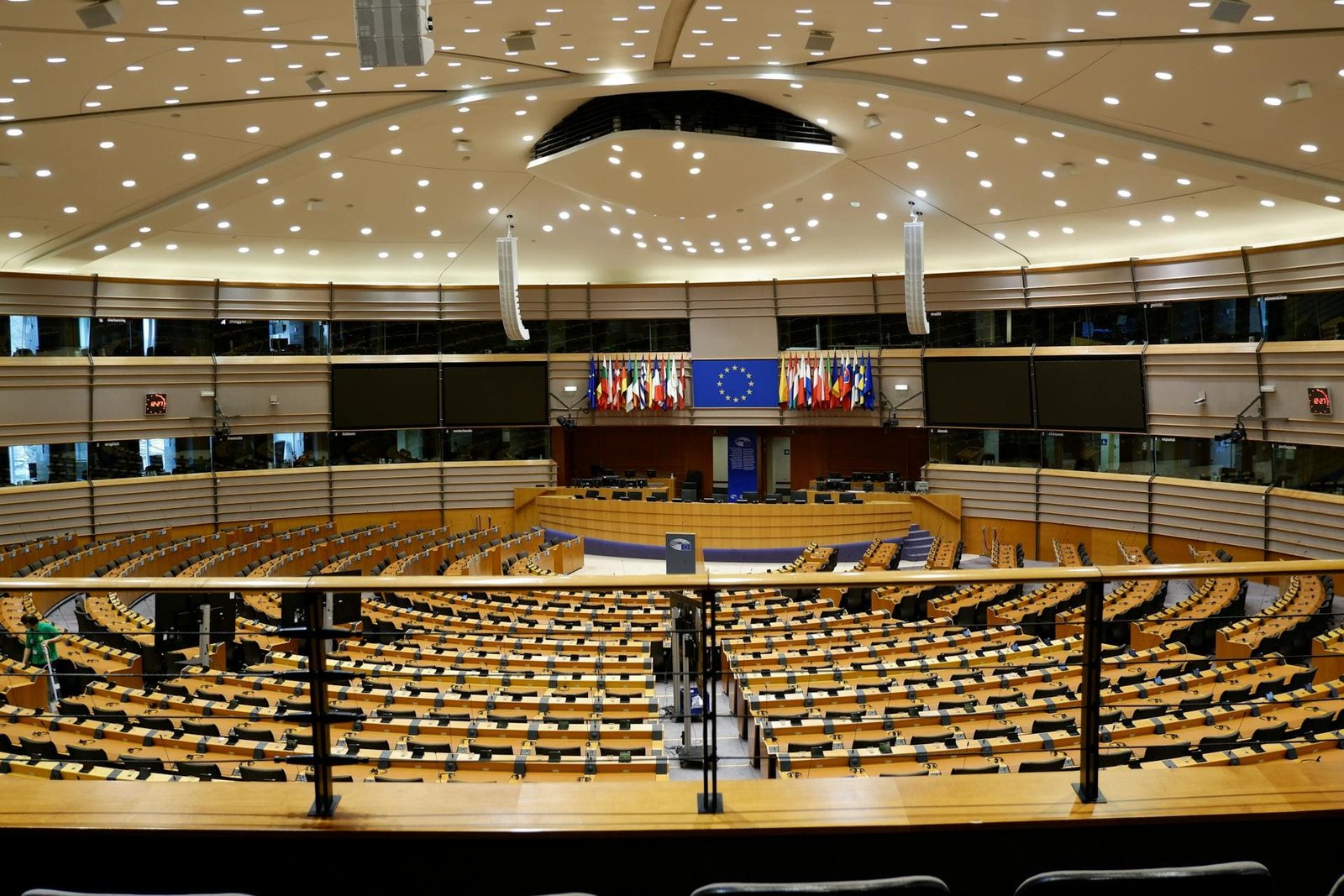
On 22 January 2026, the European Parliament adopted a resolution on the situation in Honduras after the presidential elections. It condemns the outgoing president's refusal to recognise the results and the attacks against opposition deputies.
In Honduras, the presidential elections took place in a tense climate. The outgoing president, whose term was coming to an end, refused to recognise his opponent's victory, sparking a political crisis. At the same time, members of the opposition in the National Congress were victims of attacks, including intimidation and violence. The European Parliament took up this situation to defend the rule of law and democracy.
In its resolution, the European Parliament:
The resolution was adopted by a show of hands, without an individual count of votes. This means it received broad majority support among the European deputies present.
This resolution shows that the European Union is closely monitoring events in Honduras and is ready to act to defend democracy. For European citizens, this means that the EU does not tolerate attacks on the rule of law in partner countries. Concretely, if the situation does not improve, the EU could impose sanctions, such as freezing aid or visa restrictions, which would impact relations with Honduras. As a citizen, you can support these actions by staying informed and encouraging your representatives to follow this matter.
Recognizing the winner of an election is not a harmless diplomatic gesture: it is a political act that says whether one respects the people or the arrangements between elites. By recognizing Nasry Asfura as elected president of Honduras, the European Parliament has just chosen clarity over the confusion maintained by the outgoing power.
On January 10, 2026, the outgoing president ordered by decree a recount of the votes, bypassing constitutional procedures. The National Electoral Council immediately deemed this decree unconstitutional. By calling it an attack on Honduran democracy, the European Parliament is not interfering in internal affairs: it notes that an outgoing power refuses to recognize its defeat and is trying to change the result by force. This is a dangerous precedent for any democracy.
The logic is simple: when a government can ignore the verdict of the ballot box without consequence, the election loses its function as a peaceful mechanism of succession. The voters who voted for alternation are deprived of their victory, and the institutions that certified the result are discredited. The European Parliament is right to say that the will of the Honduran people must be respected, without nuance or false balance.
The attack against Gladys López, an opposition deputy, on January 8, 2026, inside the Congress, is an act of political violence aimed at intimidating the opposition and preventing pluralism. The Parliament condemns it and calls for a transparent and independent investigation. It could have added that impunity for this type of act fuels escalation. Responsibility is individual: those who plant bombs must be brought to justice, not covered by sociological explanations.
The Parliament also calls for guaranteeing the security of the National Electoral Council, a target of threats and intimidation. A protected electoral institution is the condition for a credible vote. That is better than ineffective commissions of inquiry.
The Parliament deplores that the EU ambassador to Honduras has not been invited to present his credentials for more than a year. This is a sign of contempt toward the Union, but also an indicator of the outgoing government's contempt for international partners. The resolution hopes that this will change under the new government, which is a call for normalization.
The European Union and the Organization of American States observed the vote and concluded that the results reflected the will of the people. The Parliament endorses these conclusions and calls for the implementation of the observation mission's recommendations. This is the right approach: clean elections, accepted results, constitutional remedies. The opposite would be to let an outgoing power impose a recount by decree.
Recognizing the winner means respecting the people; contesting the result by decree means trampling on the suffrage.