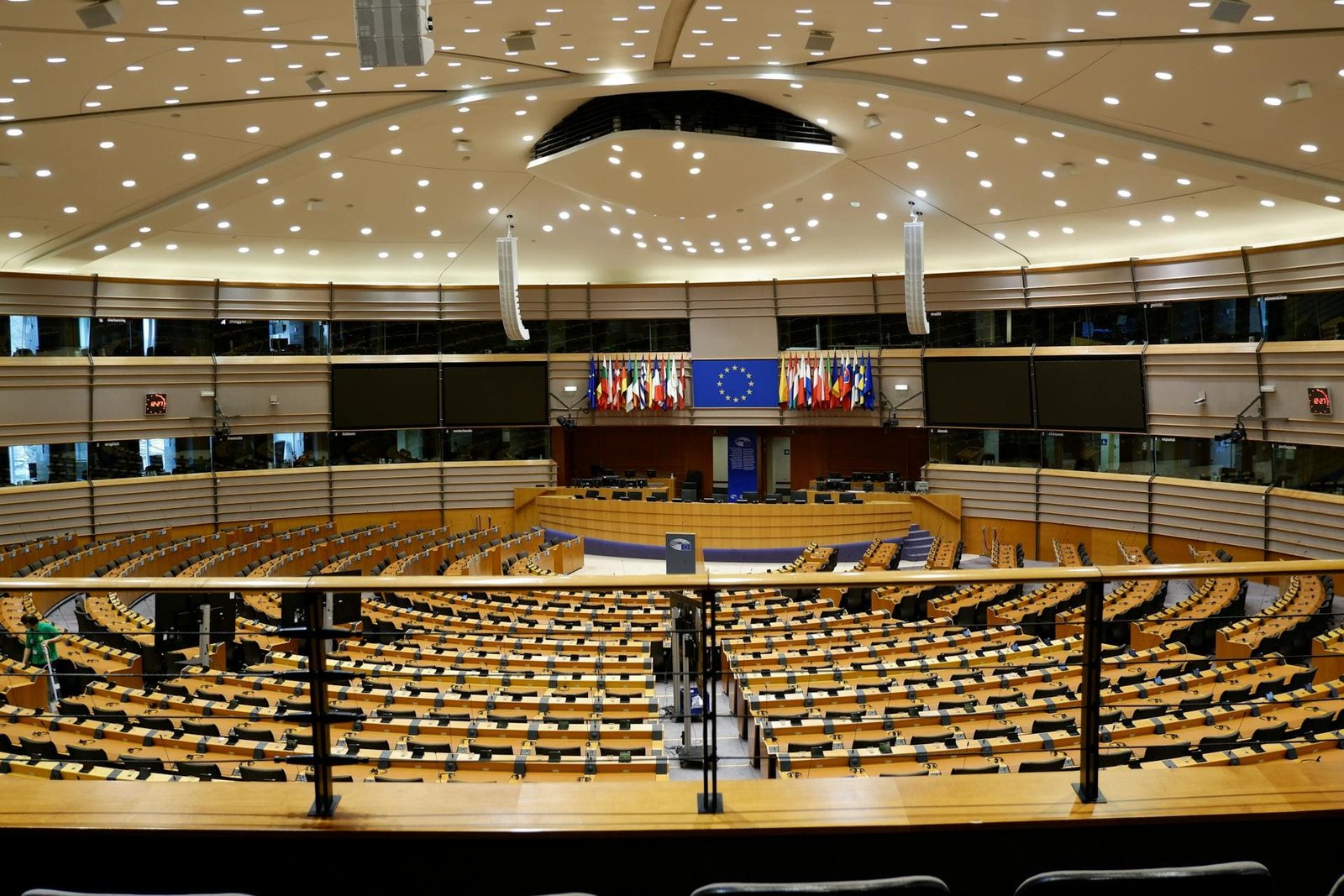
On 12 February 2026, the European Parliament adopted a resolution calling for a new European Union (EU) strategy to fight poverty. The text, led by MEP João Oliveira, sets ambitious targets to reduce inequalities and guarantee decent living conditions for all citizens.
Despite commitments made under the European Pillar of Social Rights, poverty still affects around 95 million people in the EU. The COVID-19 pandemic, the energy crisis and inflation have worsened the situation, particularly for single-parent families, children, people with disabilities, Roma and the homeless. Parliament considers current strategies insufficient and calls for a more coordinated and ambitious approach.
The resolution, non-legislative but political, sets several priorities:
The resolution was adopted by 385 votes in favour, 141 against and 53 abstentions. Opponents, mainly conservative and liberal groups, criticised the cost of the proposed measures and interference in national social policies.
Although this resolution has no direct legal effect, it sends a strong signal to the European Commission and Member States. If followed up, it could result in:
Parliament now calls on the Commission to present a concrete legislative proposal by the end of 2026. Citizens can follow the progress of this file via the European Parliament website.
The European Parliament adopted on 12 February 2026 a non-binding resolution calling on the Commission to present an anti-poverty strategy with the goal of eradication by 2035. The text creates no legal obligation, unlocks no euro, and piles up funding requests without ever designating who will pay. In short: one more declaration of intentions, passed by 385 votes to 141 with 53 abstentions.
The Parliament asks the Commission to present a comprehensive, ambitious and adequately funded strategy. But who decides on the funding? The text refers to the multiannual financial framework and to national budgets, without deciding. Yet a goal without an identified budget line is not a policy: it is a wish. The 93.3 million people at risk of poverty in 2024, including 20 million children, deserve better than an appeal to the Commission.
The resolution also calls for a horizontal principle of ex ante poverty impact assessment in sectoral policies. On paper, the idea appeals. In practice, it adds a layer of control to every legislative proposal, slows down procedures and gives a de facto veto right to the administrations in charge of the assessment. For an SME waiting for a permit or an association seeking funding, the cost of delay is real. Simplification, when it is mentioned, remains marginal: the text calls for simplifying access to funds, but without removing redundant controls.
The Parliament also invites the Social Protection Committee to revise the AROPE indicator to make it more multidimensional. The intention is laudable, but the consequence is predictable: a broader indicator, more complex, more costly to produce, and therefore easier to manipulate. Poverty is not measured better by piling up subjective criteria; it is fought by freeing up activity and targeting aid at those who need it.
A credible anti-poverty strategy does not begin with a new layer of European coordination. It begins by letting member states reform their labour market, their taxation and their social protection, and by evaluating the results. The Parliament could have called for an inventory of existing social spending, a review of obstacles to employment and a mechanism for exchanging experience between states. It did not.
It could also have conditioned European funds on measurable results, rather than on plans and indicators. Cohesion policy already exists; it funds programmes. Adding a horizontal strategy without removing duplicates means stacking up one-stop shops. The final beneficiaries, for their part, are still waiting.
A resolution that promises to eradicate poverty without saying who pays is not a social policy, it is a press release.