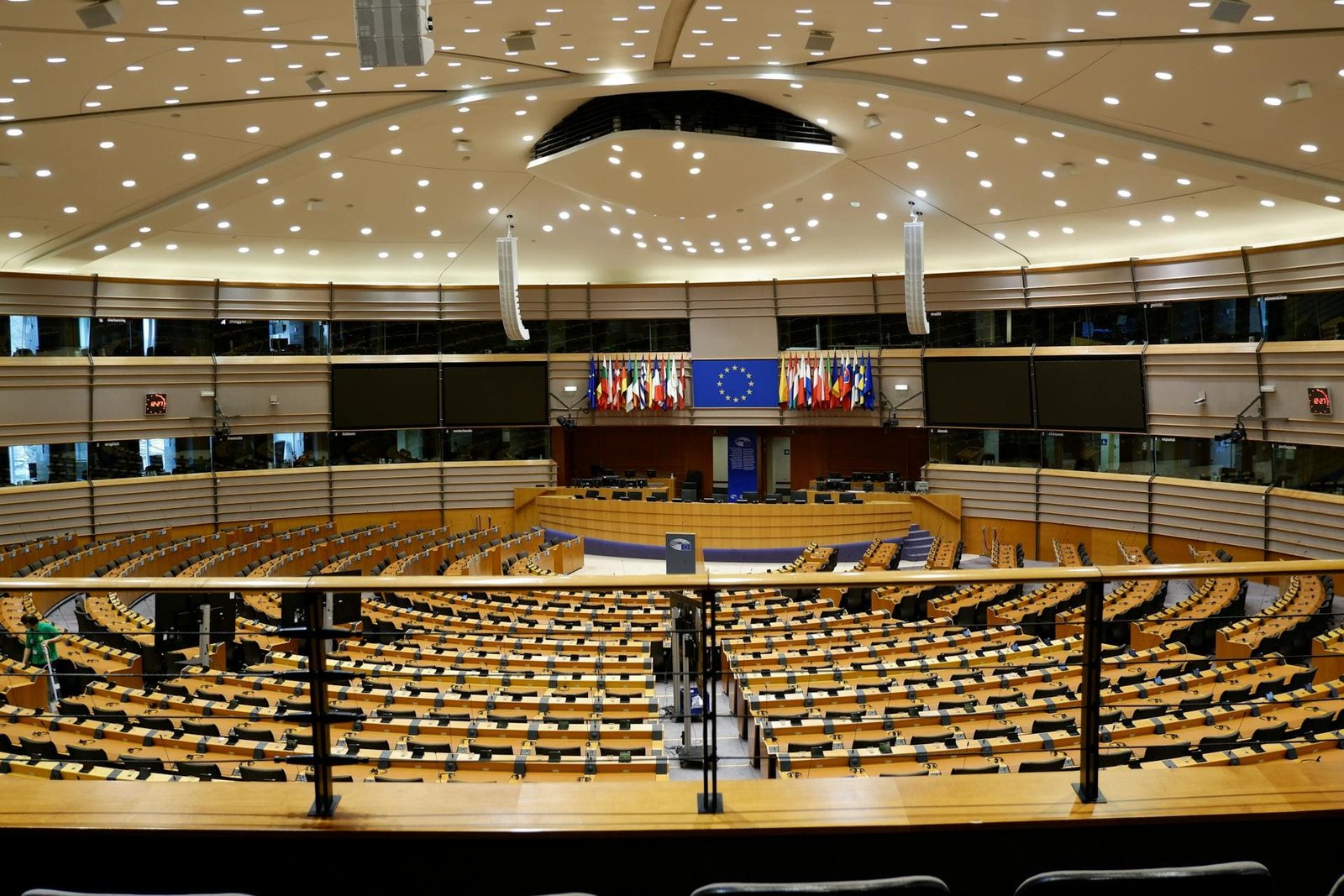
On 22 January 2026, the European Parliament adopted a resolution on the case of Joseph Figueira Martin, a humanitarian worker detained in the Central African Republic (CAR). MEPs call for his immediate release and urge a transparent investigation.
Joseph Figueira Martin, a European citizen and humanitarian worker, has been detained in the Central African Republic for several months. The circumstances of his arrest remain unclear, and local authorities have not provided clear information on the charges against him. The European Parliament is concerned about possible human rights violations and a lack of access to a fair judicial process.
In its resolution, the European Parliament:
The resolution was adopted by 582 votes in favour, 0 against and 35 abstentions. This broad support shows the unity of MEPs on this issue.
This resolution has no direct legal effect, but it sends a strong political signal to the Central African authorities and the EU Council. It reminds that the European Union closely monitors cases of arbitrary detention and defends the rights of European citizens abroad. For citizens, it is an illustration of the European Parliament's role in oversight and advocacy on human rights.
The European Parliament has adopted a resolution demanding the immediate and unconditional release of Joseph Figueira Martin, a Belgian-Portuguese humanitarian detained in the Central African Republic since May 2024. The vote, unopposed (582 in favor, 35 abstentions), sends a clear signal. But the targeted sanctions requested from the Commission, the Council and the VP/HR are not automatic: they will be imposed only if the Central African authorities persist in violating his rights. A conditionality that weakens the scope of the demand.
Joseph Figueira Martin, a humanitarian researcher working for the NGO FHI 360, was abducted on 26 May 2024 by the Wagner Group and then handed over to the Central African authorities. He has been held for more than a year at the headquarters of the Central Office for the Suppression of Banditry in Bangui, a facility controlled by Wagner, where he was placed in isolation and tortured, according to the resolution. On 4 November 2025, the Bangui Criminal Court sentenced him to 10 years of forced labor and a fine of 50 million CFA francs on charges deemed unfounded. His health has deteriorated severely, with the onset of visual impairment.
Parliament does not merely condemn: it demands. Immediate and unconditional release, medical evacuation, access to independent doctors, a lawyer, consular assistance and his family. It also insists that any legal proceedings, including on appeal, respect the guarantees of the International Covenant on Civil and Political Rights. These are not token requests: they are minimum obligations the CAR has signed up to.
But the resolution remains a political statement. It creates no legally binding obligation for the Central African authorities, and the sanctions requested from the EU are not automatic. The conditionality ("if the authorities persist in violating his rights") leaves them a margin of discretion that weakens the pressure. A firmer approach would have been to impose sanctions now, without waiting for a further violation, and to make EU development aid conditional on Mr Martin's release. Declaratory diplomacy has its limits: as long as the cost of the detention is not borne by those who maintain it, the pressure remains theoretical.
The resolution points the finger at the Wagner Group, which abducted Mr Martin and controls the detention center. Parliament reiterates its call on the Council to list Wagner as a terrorist organization. This is a measure the Council has been slow to take. Yet as long as Wagner is not formally designated a terrorist organization, member states and European companies retain a legal uncertainty that benefits this group. The EU terrorist list allows asset freezes and travel bans, but also prosecutions for terrorist financing. Not using it means letting Wagner operate with complete impunity.
Parliament also calls for an ad hoc mission to the CAR to assess Mr Martin's situation and increase pressure. A parliamentary mission has no binding power, but it can draw attention and create diplomatic discomfort. It is a modest tool, but one that has the merit of existing. Care must be taken, however, to ensure that this mission does not serve as a substitute for more concrete action: immediate sanctions, aid conditionality, and coordination with Belgium and Portugal, Mr Martin's countries of origin.
As long as the cost of the detention is not borne by those who maintain it, the pressure remains theoretical.