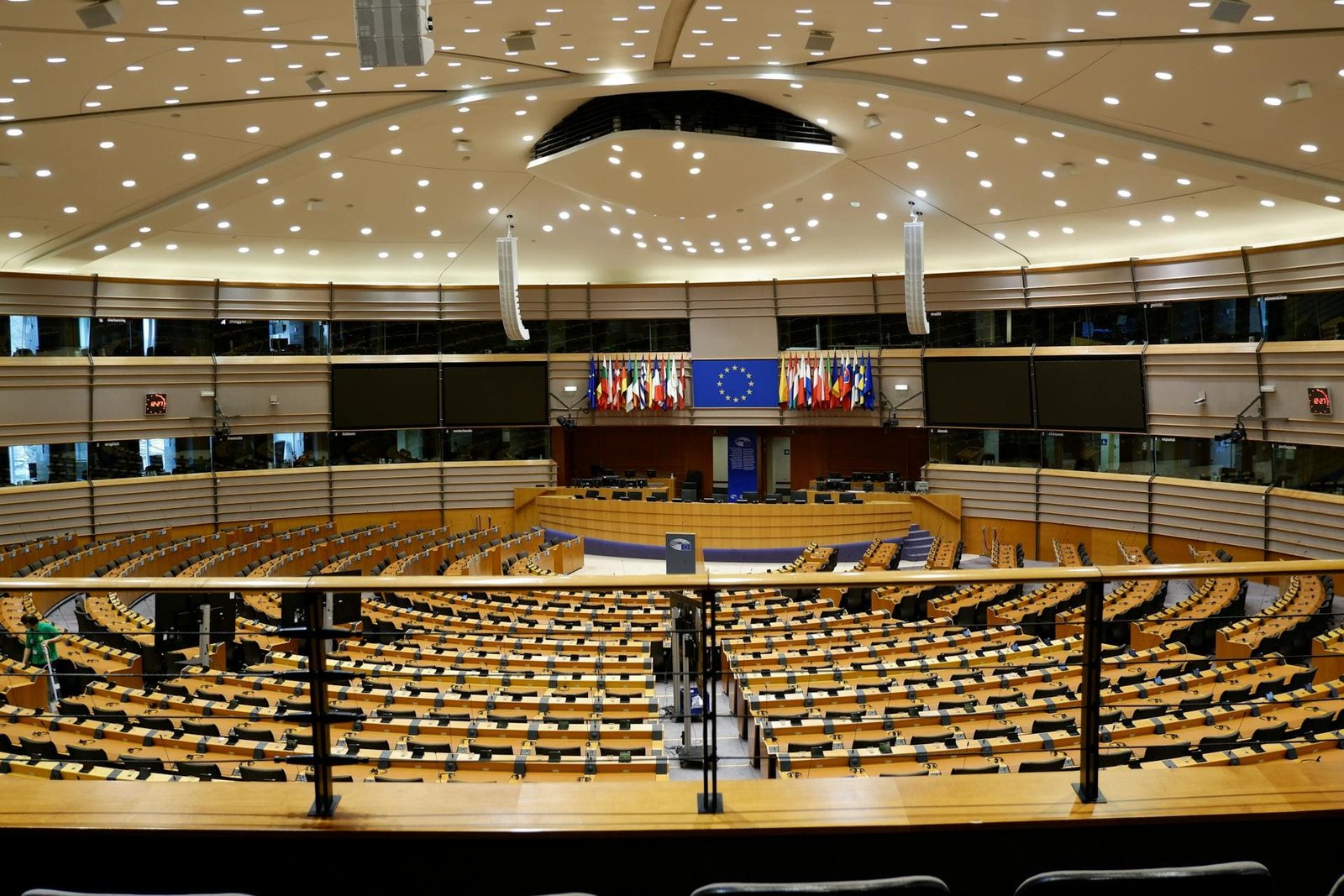
On 10 February 2026, the European Parliament adopted an update of the market rules and support measures for the wine sector and for aromatised wine products. The text simplifies replanting authorisations, clarifies the definition of 'coupage' and facilitates the grubbing-up of abandoned vineyards. It also modernises procedures by allowing the use of electronic means.
The current wine market rules, stemming from Regulations (EU) No 1308/2013, (EU) 2021/2115 and (EU) No 251/2014, were several years old. The European Commission proposed a revision to simplify certain procedures and better respond to the sector's challenges, such as managing abandoned vineyards and clarifying oenological practices. The Parliament and the Council reached an agreement at first reading, allowing for a swift adoption.
The adopted text amends three existing regulations:
The regulation also amends Regulation (EU) 2024/1143 as regards certain labelling rules for spirit drinks, to ensure consistency with the new provisions.
The text was adopted by a large majority: 625 votes in favour, 15 against and 11 abstentions. This vote confirms the agreement reached with the Council, meaning the regulation is definitively adopted and will enter into force after its publication in the Official Journal of the EU.
For consumers, these changes will have no direct visible impact, but they ensure better traceability and clarification of oenological practices. For wine growers and producers, the new rules simplify administrative procedures and offer more flexibility in managing their vineyards. The use of electronic means will reduce delays and costs associated with paper procedures. Finally, the facilitated grubbing-up of abandoned vineyards contributes to a more sustainable management of wine production potential in the EU.
On 10 February 2026, the European Parliament adopted Regulation (EU) 2026/471, which amends the rules of the wine market, by 625 votes to 15 with 11 abstentions. This final text, negotiated with the Council, adjusts sectoral support mechanisms without touching the heart of the problem: a common agricultural policy that treats producers as administrated subjects, not as entrepreneurs.
European wine suffers from a simple ailment: uniform rules for terroirs, climates and markets that have nothing in common. Regulation 2026/471 adjusts support measures and market rules, but it does not give winegrowers back the freedom to decide what to plant, how to sell and at what price. Every new standard, every new declaration procedure, every new eligibility condition for aid increases the cost of production and diverts attention from the person who makes wine to the person who fills out forms.
The agreement reached with the Council has the merit of being quick and of closing a procedure. But speed says nothing about quality. The final text is an empty shell: it approves a compromise whose operational details are delegated to implementing acts and guidelines. For a farm operator, this means new uncertainties: the rules will change again, without Parliament having to vote again. Democratic scrutiny stops where comitology begins.
The sectoral support measures, however technical they may be, mobilize public funds. Every euro spent in Brussels to organize the wine market is a euro taken from taxpayers and a signal sent to producers: produce for the aid, not for the consumer. The regulation does not call this logic into question. It adjusts it. An approach based on subsidiarity would have consisted in letting the Member States, or better, the regional interprofessional bodies, define their own marketing and support rules, without going through a multi-page European regulation.
The text also provides for a Commission declaration annexed to the resolution. This declaration will be published in the Official Journal, but it has no binding force. It is a political commitment, not a guarantee for winegrowers. Those awaiting clarifications on market rules will have to settle for good intentions. Meanwhile, New World competitors continue to innovate, plant and sell, without waiting for a European regulation.
One more agreement, and winegrowers are still waiting to be left alone to work.