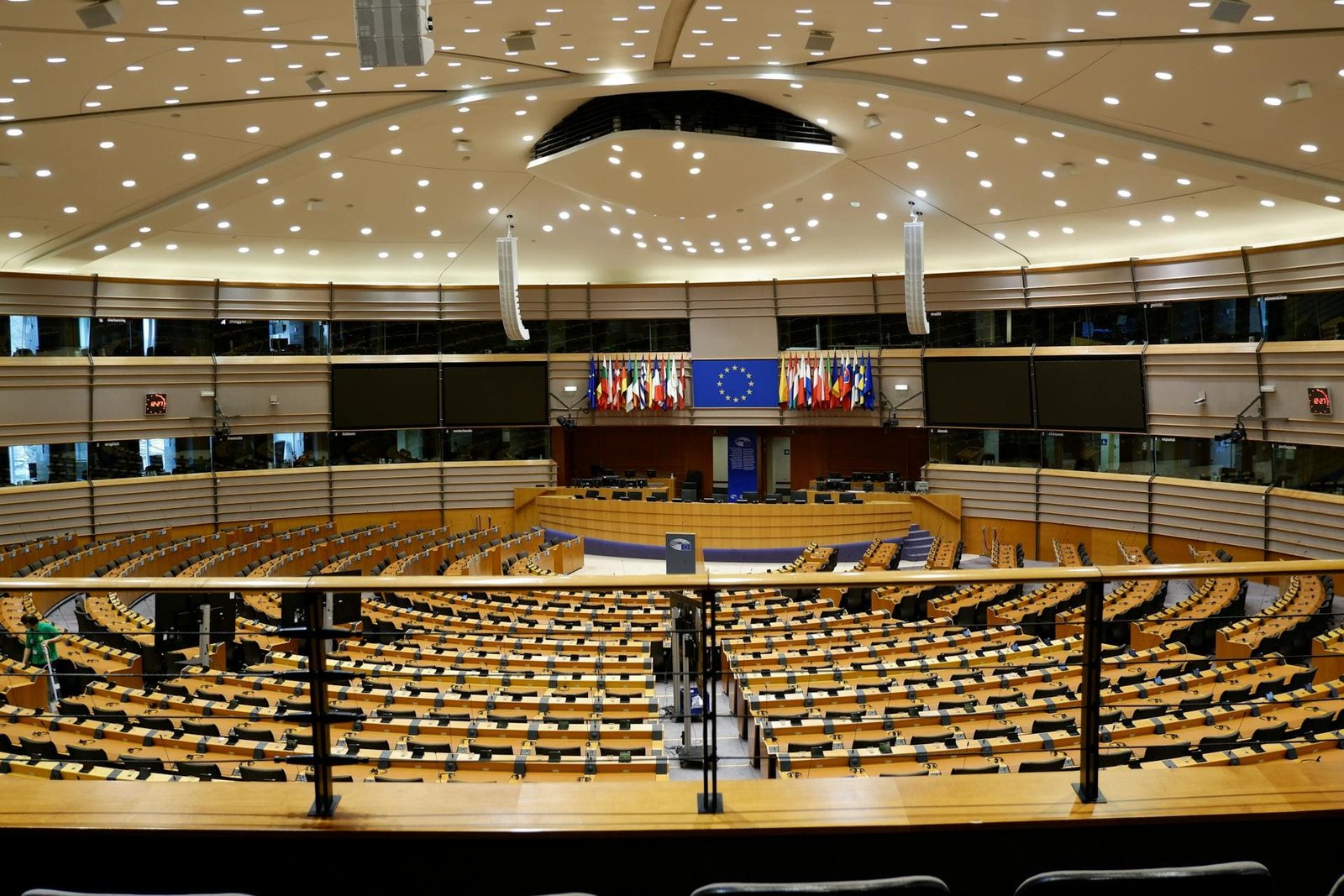
The European Parliament adopted its estimate of revenue and expenditure for 2027, set at 2,656,435,753 euros, an increase of 1.98% compared with the 2026 budget. It approved the agreement reached on 15 April 2026 between its Bureau and its Committee on Budgets, which reduces appropriations for several budget lines by 10,554,000 euros and increases funding for European political foundations and meeting expenses for former Members by 1,514,900 euros. This text is the Parliament's own budget estimate; it will be forwarded to the Council and the Commission.
Each year, the European Parliament draws up its own estimate of revenue and expenditure for the following year, before the entire Union budget is negotiated. The Parliament's budget covers the salaries of Members and staff, interpretation and translation, buildings, IT and cybersecurity, visitor centres and programmes for young people. For 2027, the Parliament approved an internal agreement reached on 15 April 2026, which adjusts some lines downwards and others upwards, while maintaining its request for additional posts at zero for the fourth consecutive year.
2027 budget set at 2.66 billionThe Parliament set its estimate for 2027 at 2,656,435,753 euros, an increase of 1.98% compared with the 2026 budget.
Reduction of 10.55 million on certain linesThe appropriations proposed for a list of budget lines (general expenses, external interpretation, external translation, training, IT, cybersecurity, furniture, transport of Members, staff missions, parliamentary research, documentation, information campaigns, visitor centres, contingency reserve) are reduced by a total of 10,554,000 euros.
Increase of 1.51 million for foundations and former MembersAppropriations for the funding of European political foundations and for meeting expenses and other activities of former Members are increased by a total of 1,514,900 euros.
Support for trainees in LuxembourgFrom 2027, each trainee based in Luxembourg may receive exceptional direct support of up to 500 euros per month of traineeship, to cope with rising housing costs.
No new posts in 2027The Parliament is not requesting additional posts for the fourth consecutive year. Non-statutory expenditure increases by 2% between 2026 and 2027.
The Parliament adopted its estimate by an electronic roll-call vote: 401 votes in favour, 116 against and 68 abstentions.
This budget determines the resources the European Parliament gives itself to operate in 2027: translation and interpretation in all the Union's languages, building maintenance, cybersecurity, welcoming visitors and support for young people. The 1.98% increase remains moderate and is accompanied by savings on several lines, while European political foundations and former Members see their appropriations increase by 1.51 million euros. Trainees in Luxembourg will receive support of up to 500 euros per month, a measure aimed at making traineeships accessible despite the cost of living.
The European Parliament has adopted its 2027 budget at 2,656,435,753 euros, up 1.98% on 2026. Behind the displayed moderation lie spending choices that deserve close scrutiny.
The 1.98% increase may seem reasonable in an inflationary context. But it comes with a 1.51 million euro increase for political foundations and former MEPs, while operational lines such as interpretation or cybersecurity are trimmed. This choice deserves to be questioned: why strengthen the meeting expenses of former elected officials rather than the means of democratic scrutiny?
Parliament is requesting no additional posts for the fourth consecutive year, which is commendable. But it is creating four new thematic directorates-general and considerably increasing the budgets for external staff (from 3.2 to 8 million euros) and external expertise (from 3.2 to 7.7 million euros). These internal redeployments should be justified by savings elsewhere, not by a simple growth of the overall envelope.
The text calls for completing the recovery procedures concerning the former Identity and Democracy group and for transmitting the evidence to OLAF and the European Public Prosecutor's Office. This is a good intention, but it remains declaratory. Parliament's credibility requires action: effective internal controls and rapid recoveries, not just resolutions.
The emphasis on cybersecurity (16.9 million euros, up 54%) and artificial intelligence (1 million euros) is justified. However, the call for guidelines and safeguards for AI risks adding bureaucracy without any guarantee of increased security. A simpler approach would be to let internal teams experiment under the responsibility of their heads of service, with ex post audits rather than prior authorizations.
A budget that looks moderate, but which favors political foundations and former MEPs to the detriment of essential functions.