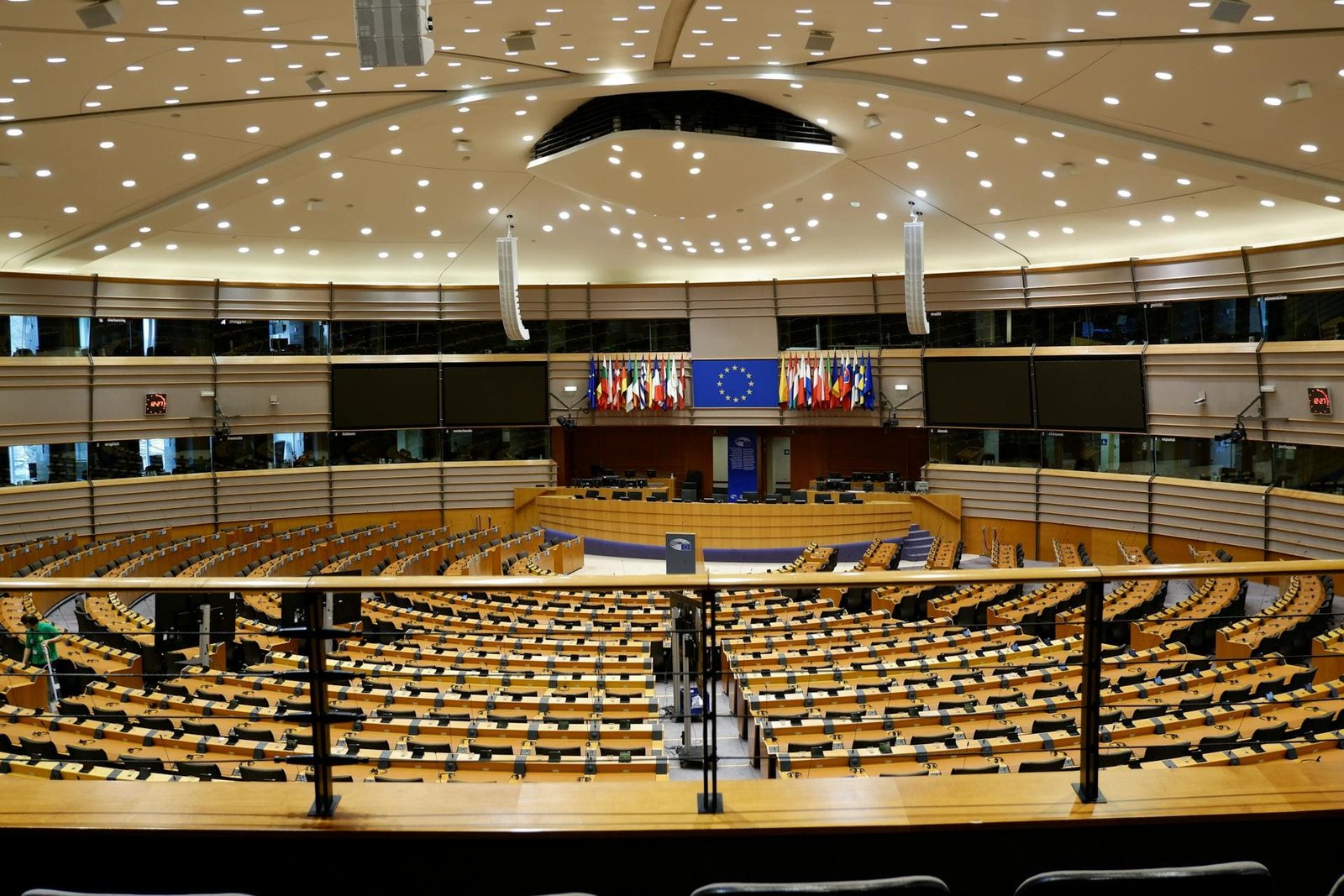
On 20 January 2026, the European Parliament adopted a resolution on the reform of European electoral law, which aims to harmonise the rules for elections to the European Parliament. The text identifies obstacles to the ratification and implementation of this reform in the Member States and makes recommendations to overcome them.
European electoral law sets out common principles for the election of MEPs. A reform has been proposed to modernise the process, notably by introducing transnational lists and a pan-European constituency. However, its ratification by all Member States is blocked, and its implementation is encountering difficulties. Parliament has therefore examined these obstacles and proposes solutions.
In its resolution, the European Parliament:
The resolution was adopted by 417 votes in favour, 234 against and 9 abstentions. This broad support shows a majority will in Parliament to move the reform forward, despite opposition.
This resolution does not directly change electoral rules, but it pushes Member States to act. If the reform succeeds, citizens could vote for transnational lists, which would strengthen the European character of the election. In the long term, this could make elections more understandable and closer to citizens' concerns.
On 20 January 2026 the European Parliament adopted a resolution calling on member states to apply all the optional measures of Decision 2018/994 and finally to open negotiations on its 2022 proposal. Behind the call for ratification lies the same logic: standardise electoral rules to manufacture a European public space. The cure is more bureaucratic than the disease.
The text asserts that the absence of a uniform electoral procedure weakens citizens' trust and prevents the emergence of a European political debate. The argument is convenient: it turns an institutional preference into a democratic requirement. Yet voters do not feel represented because a ballot paper displays a European logo, but because the decisions taken in Brussels cost them dearly and they have no means of punishing those who take them. Adding logos to ballot papers does not change that relationship of accountability.
The resolution also calls for harmonising the deadlines for filing lists, which vary from 21 to 90 days. The aim is laudable: to prevent some candidates from having more time than others to campaign. But harmonisation from above presupposes a single timetable decided in Brussels, whereas national political systems, court holidays and administrative traditions differ. Convergence through mutual recognition of timetables, or through a simple recommendation, would be enough to reduce the gaps without imposing a single date.
Parliament deplores the fact that the optional measures of 2018 have not been transposed and sees in this a lack of political will. That is to confuse an option with an obligation. If member states have not applied these measures, it may be because they do not fit their constitutional balances. Yet the resolution calls for making them obligatory in practice, by turning them into a condition of ratification. The result may well be the opposite: delaying still further the entry into force of the 2018 decision, held hostage to a broader political agreement.
Postal voting is presented as a means of inclusion. It can be, but it also opens the door to pressure on isolated voters and to fraud that is difficult to detect. The resolution says nothing about the necessary safeguards. A state that chooses not to authorise it is not a backward state: it is exercising a competence that belongs to it. The subsidiary alternative would be to let each member state experiment, evaluate and decide, rather than erecting postal voting into a European norm.
A uniform ballot paper does not create a European people; it salves the conscience of those who confuse harmonisation with democracy.