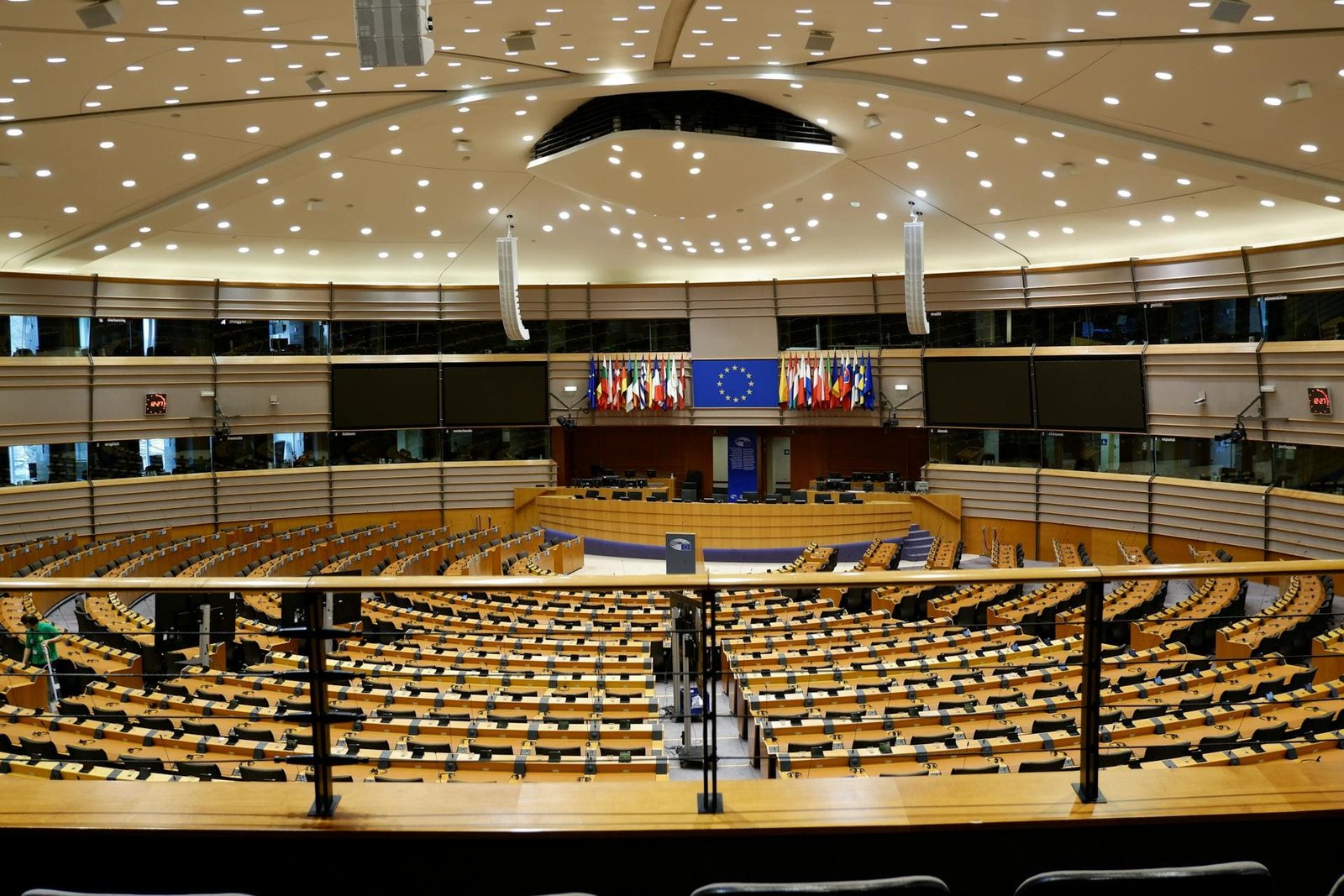
The European Parliament has adopted a legislative measure to strengthen the InvestEU programme. This initiative comes at a time when Europe faces major challenges in competitiveness, energy security and transition to a green economy. The measure affects businesses, investors and citizens across the Union.
The InvestEU programme is the EU's main tool for mobilising public and private funding. The aim is to stimulate investments in the Union's strategic priorities, particularly in green and digital transition, social investments and defence industry. The legal basis is grounded in the Treaty on the Functioning of the European Union.
The measure will enter into force following final adoption by the EU Council. Implementation will be led by the European Investment Bank (EIB) and other implementing partners. The European Parliament and Council will monitor the use of EU guarantees to ensure compliance with programme objectives.
The measures are expected to boost economic growth, create jobs and accelerate the transition to clean energy. Businesses will have better access to financing, while citizens will benefit from improved housing conditions and lower energy costs. It is important to highlight the need for balanced resource distribution across regions and sectors.
On 26 November 2025, the Parliament adopted by 519 votes to 65 with 73 abstentions the position corresponding to the final legislative act, Regulation (EU) 2025/2005, on the effectiveness of the InvestEU guarantee and the simplification of reporting. The final text is an agreement with the Council: the ball is now in the implementation court. The real issue is not the number of forms eliminated, but the capacity of the European guarantee to draw private money toward the projects that need it, without controls discouraging project promoters.
The final text simplifies the reporting obligations for financial intermediaries managing InvestEU funds. Fewer reports means time and money saved for the banks and funds participating in the program. But the guarantee itself, that is, the Union's promise to cover part of the risks in order to attract private investors, is not substantially modified. The simplification concerns form, not substance: the eligibility criteria, the caps and the risk-sharing mechanisms remain largely unchanged. For an entrepreneur, the real question is not whether there is one less form, but whether the guarantee makes the project financeable at a reasonable cost. As it stands, nothing guarantees that decision times will shorten.
The Commission had proposed to increase the effectiveness of the guarantee and to simplify reporting. The Parliament followed this approach by approving the agreement. That is a good thing in principle: less bureaucracy is always preferable. But the simplification remains timid. Reporting obligations are lightened, but not eliminated. Controls remain, and with them the compliance costs. For small intermediaries, these costs remain disproportionate to the amounts they manage. A more liberal approach would have consisted of simply eliminating redundant reports, trusting private auditors and focusing oversight on results rather than on procedures.
InvestEU aims to mobilize private capital for infrastructure, research or energy transition projects. Every public euro of guarantee must attract several private euros. But if the procedures for granting the guarantee are slow and unpredictable, private investors turn to other opportunities. The cost of slowness is borne by project promoters, who wait months for financing, and by citizens, who see projects delayed or abandoned. The simplification of reporting is a step in the right direction, but it does not solve the fundamental problem: uncertainty about the criteria and decision times. For SMEs, which have neither the time nor the resources to navigate complex procedures, every week of delay can be fatal.
The adopted text sets no threshold or date. The concrete decisions will be taken in the implementing acts, by committees where elected officials have only an observation role. This is precisely the kind of technocracy that citizens reject. The InvestEU guarantee is a powerful financial instrument, but its effectiveness depends on the trust granted to actors on the ground: the banks, the funds, the entrepreneurs. An approach based on subsidiarity would have consisted of letting the Member States and the regions decide investment priorities, with a light European framework. Instead, a centralized architecture is maintained, with criteria defined in Brussels and controls at every level.
Fewer reports is good. But as long as the guarantee remains captive to committees and opaque criteria, private money will continue to shun European projects.