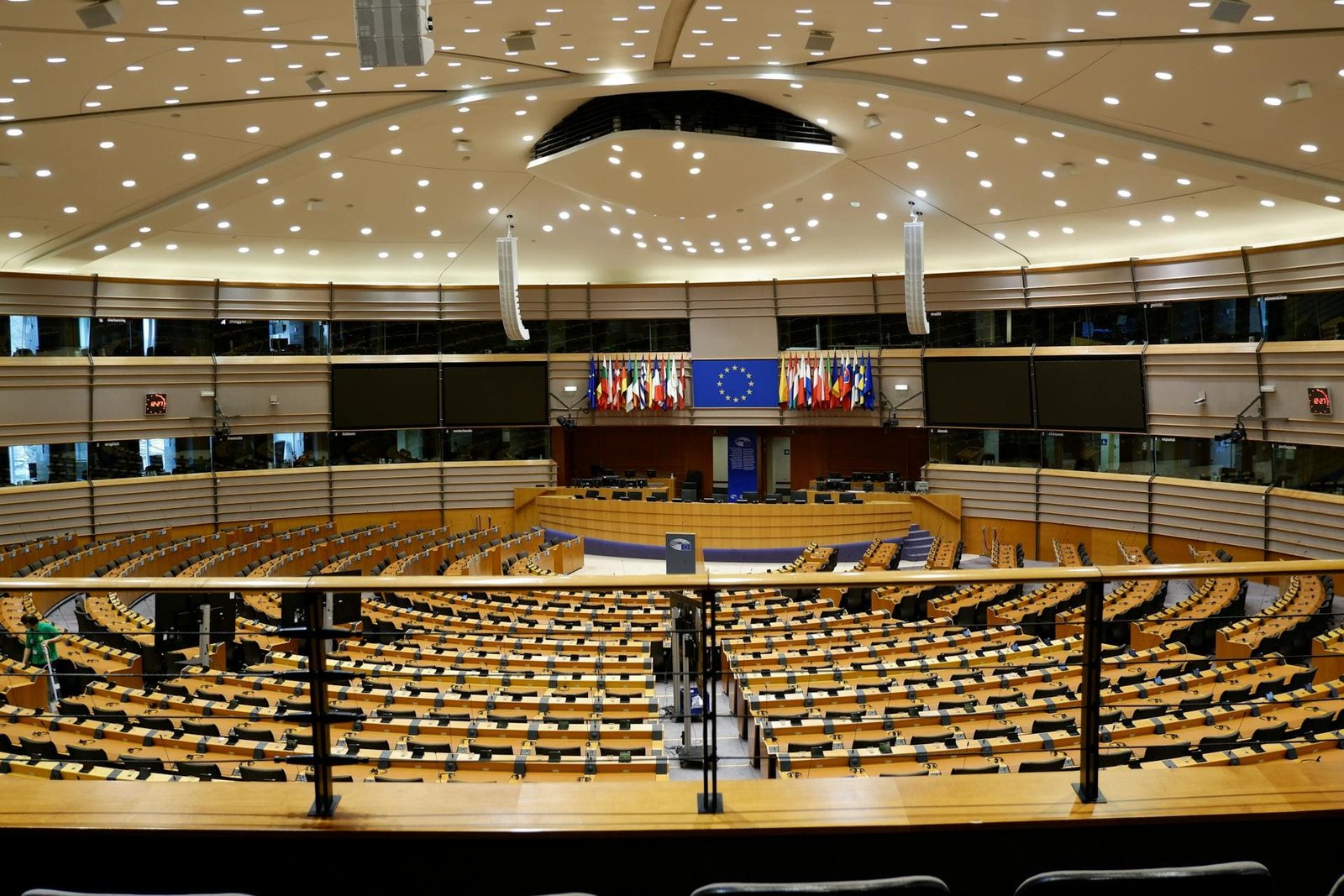
On 10 September 2025, the European Parliament approved Vanuatu's accession to the interim partnership agreement between the European Union (EU) and the Pacific States. This decision paves the way for closer economic integration between this small South Pacific archipelago and the EU.
The EU-Pacific Interim Partnership Agreement (IPA) is a preferential trade agreement signed in 2009 between the EU and several Pacific countries (Papua New Guinea, Fiji, Samoa, Solomon Islands). It allows exports from these countries to access the European market duty-free and quota-free, in exchange for a gradual opening of their markets to European products. Vanuatu, an island state of around 330,000 inhabitants, has applied to join this agreement to benefit from the same trade advantages.
The European Parliament voted in favour of the draft Council of the EU decision authorising Vanuatu's accession to the IPA. Concretely, this means that Vanuatu will be able to export most of its products, notably copra, cocoa, coffee and timber, to the EU duty-free. In return, Vanuatu will have to gradually reduce its customs duties on imports from the EU, while benefiting from transition periods to protect its sensitive sectors. The agreement also includes clauses on sustainable development, regional cooperation and compliance with social and environmental standards.
The legislative resolution was adopted by 528 votes in favour, 89 against and 48 abstentions. This broad support reflects a consensus among the main political groups, although some MEPs expressed reservations about the environmental impact of the agreement or respect for human rights in Vanuatu.
For European citizens, the direct impact is limited. The agreement could lead to a slight increase in imports of tropical products such as cocoa or coffee from Vanuatu, but volumes remain small. For Vanuatu citizens, however, the agreement represents an opportunity to develop their exports and boost the local economy, which can help reduce poverty and strengthen resilience to climate change. The agreement is part of the EU's strategy to support the sustainable development of small island developing states (SIDS) through trade.